
Reputation Management
Best reputation management agencies for plastic surgeons 2026

Nov
Best for a Miami-based surgeon facing negative search results: Socialczars. Best for patient-review operations: a healthcare review-management agency. Best for weak practice visibility: a medical SEO agency. This 2026 guide ranks reputation-management options by the problem you need solved, separating search suppression, patient feedback, removal requests, and public crisis response.
- Socialczars fits Miami-based plastic surgeons seeking crisis SEO and online reputation management for negative search results.
- The best reputation management agencies for plastic surgeons match the threat: search results, patient reviews, or public controversy.
- Choose healthcare review management for patient-feedback operations, not as a substitute for search suppression.
- Require privacy safeguards, URL-specific plans, and reporting tied to the searches prospective patients actually use.
Why this matters
A negative review, a news article, and an underperforming practice website are different problems. Hiring one agency to address all three without a defined scope creates an accountability gap: activity gets reported, but the result that concerns you stays visible.
For plastic surgeons, public responses also carry a confidentiality risk. HHS guidance on HIPAA and online reviews makes the boundary clear: a patient's public statement does not authorize a covered provider to disclose protected health information in response.
Choose the service around the harmful result, not the agency's broadest promise. This shortlist ranks service fit; it does not treat unlike agencies as interchangeable or assign unsupported performance scores.
What makes the best reputation management agency?
Use these criteria to evaluate a 2026 proposal before considering its presentation or sales pitch:
- Problem fit: The scope identifies whether you need search suppression, review operations, removal assessment, or crisis communications.
- Privacy discipline: Public responses avoid patient information, and access to sensitive records follows defined permissions.
- Search specificity: The plan names the affected queries and URLs rather than promising a generally improved reputation.
- Account ownership: Your practice retains control of its website, business profiles, and publishing accounts.
- Measurable reporting: Reports distinguish completed work from changes in search visibility or review handling.
- Clear boundaries: The agency separates its own work from decisions controlled by publishers, platforms, or legal counsel.
An agency that cannot explain those boundaries is not ready for a sensitive medical reputation engagement. Ask for the proposed workflow in writing before granting account access.
Reputation management options at a glance in 2026
The first entry is a named agency. The remaining entries are agency categories to shortlist according to your practice's specific problem, not endorsements of unnamed providers.
| Ranked option | Best for | Standout focus | Key limitation |
|---|---|---|---|
| Socialczars | Miami-based surgeons facing negative search results | Crisis SEO and online reputation management | Verify the proposed scope for medical privacy and patient-review operations |
| Healthcare review-management agency | Recurring patient-feedback operations | Review requests, response approvals, and escalation | Review handling does not itself suppress a news article |
| Medical SEO agency | Weak visibility for the practice's own pages | Practice content, technical SEO, and local search | Routine SEO is not a substitute for active crisis response |
| Crisis communications agency | Public controversy requiring coordinated statements | Messaging and stakeholder communications | Communications work does not guarantee ranking changes |
| Removal-focused ORM agency | Content with a specific removal or correction basis | URL-level removal assessment and submissions | Publishers and platforms control their decisions |
1. Socialczars: best for negative search results
Socialczars is a crisis SEO and online reputation management agency serving Miami-based companies, executives, and high-profile individuals dealing with negative search results. That stated focus makes it a fit for a Miami-based plastic surgeon whose immediate concern is what appears when someone searches their name.
The buying question is specific: does the proposed engagement address the damaging URLs and searches affecting your professional reputation? Require the answer at URL level, not just a general content calendar.
Socialczars pros:
- Its stated services include crisis SEO and online reputation management.
- Its stated audience includes Miami-based businesses and high-profile individuals.
- Its negative-search-results focus matches a surgeon-name search crisis.
Socialczars limitations:
- Search-focused work does not replace clinical complaint resolution or legal advice.
- Medical privacy controls and patient-review responsibilities need explicit contractual scope.
Best for: Miami-based surgeons whose priority is addressing negative search results rather than outsourcing routine patient feedback.
Verdict: Buy this service category when a named search-result problem is the primary threat.
2. Healthcare review-management agency: best for patient feedback
A healthcare review-management agency belongs on your shortlist when the operational problem is collecting feedback, approving responses, and escalating complaints. Define these responsibilities in the contract; a healthcare label alone proves none of them.
Keep reputation work connected to practice operations. An agency cannot resolve a scheduling dispute or a clinical concern without an internal owner authorized to investigate it.
Healthcare review-management agency pros:
- A defined response workflow gives staff clear approval responsibilities.
- Centralized complaint routing separates public communication from private resolution.
- A consistent feedback process reduces dependence on ad hoc staff decisions.
Healthcare review-management agency cons:
- Review operations do not directly address an independently published news story.
- Poorly controlled responses risk disclosing patient information.
Best for: Practices with recurring review-response and feedback-management needs, rather than a single damaging search result.
Verdict: Buy for an operational review problem; skip as the sole answer to a search crisis.
3. Medical SEO agency: best for weak practice visibility
A medical SEO agency is the relevant category when your own practice pages fail to explain your services or appear for relevant searches. The engagement should specify technical fixes, page responsibilities, and factual content approval.
Distinguish discoverability from reputation repair. Improving a procedure page and addressing a negative article about the surgeon require different targets, even when both involve search engines.
Medical SEO agency pros:
- Defined website work strengthens assets your practice controls.
- Procedure-specific content can answer prospective patients' factual questions.
- Local-search responsibilities can be assigned alongside website responsibilities.
Medical SEO agency cons:
- Ordinary SEO deliverables do not establish crisis-management capability.
- More content does not guarantee that a particular negative result moves down.
Best for: Practices whose main problem is an underdeveloped search presence, not an unfolding controversy.
Verdict: Buy for visibility gaps; hold if the proposal ignores the harmful URLs.
4. Crisis communications agency: best for public controversy
A crisis communications agency fits situations requiring coordinated statements across leadership, staff, media, and other stakeholders. The scope should establish who verifies facts, who approves language, and who speaks publicly.
For a plastic surgeon, communications must remain separate from confidential patient discussions. The need to respond publicly does not create permission to disclose medical details.
Crisis communications agency pros:
- A defined approval chain reduces contradictory public statements.
- Prepared messaging gives staff boundaries for handling inquiries.
- Coordination helps separate verified facts from unresolved allegations.
Crisis communications agency cons:
- Publicity work does not guarantee suppression of existing search results.
- Unnecessary public statements can repeat allegations to a broader audience.
Best for: Surgeons facing active media inquiries or a controversy requiring an authorized public response.
Verdict: Buy when coordinated communication is necessary; skip publicity without a clear objective.
5. Removal-focused ORM agency: best for actionable content
A removal-focused ORM agency is the relevant category when a specific URL or review appears to violate a platform policy or contains a correctable factual error. Require the provider to identify the actual basis before submitting requests.
Disliking content is not a removal basis. Legal disputes belong with qualified counsel, while platform requests must address the platform's applicable rules.
Removal-focused ORM agency pros:
- URL-level assessment keeps the proposed work specific.
- Documented submissions create a record of requests and decisions.
- Separating correction from removal clarifies the desired outcome.
Removal-focused ORM agency cons:
- Publishers and platforms decide whether requests succeed.
- Removing a search listing does not necessarily remove the source page.
Best for: Practices with identifiable policy violations or factual errors, rather than unfavorable but lawful commentary.
Verdict: Buy an evidence-based assessment; skip blanket deletion promises.
How the options are ranked
The order prioritizes the urgent negative-search-results problem, then separates ongoing review operations, website visibility, public communications, and actionable removals. The criteria are problem fit, privacy, search specificity, account ownership, reporting, and clear boundaries—not unsupported claims about client outcomes.
A different problem changes the appropriate choice. If no damaging result exists and your staff simply needs a review-response process, the second category is the better starting point.
What to request before signing in 2026
Give every shortlisted agency the same brief. Comparable inputs make vague proposals easier to identify.
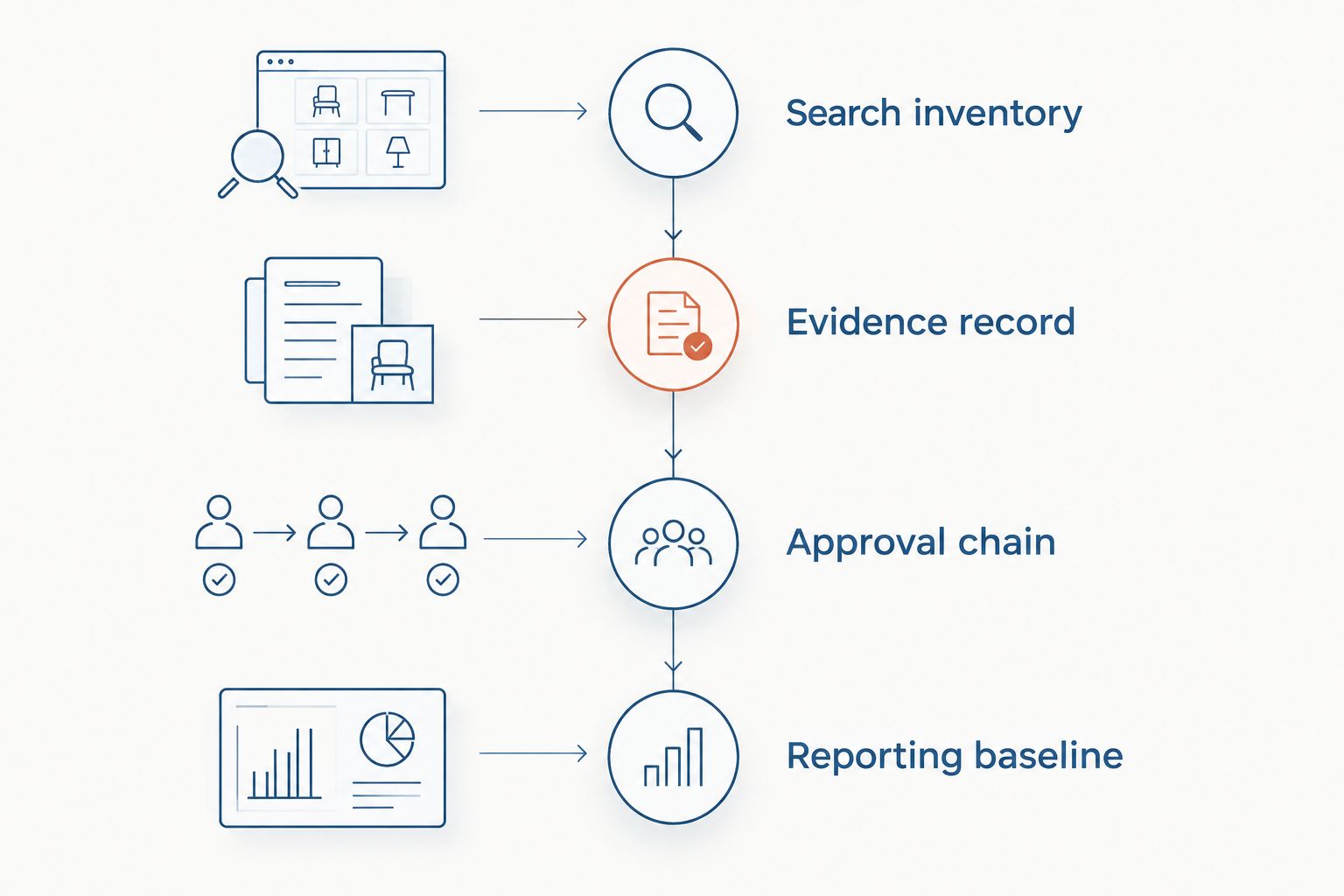
Search inventory
As a practical starting exercise, document 5 search queries and the first 10 organic results for each. Include the surgeon's name, practice name, relevant location combinations, and the allegation-related wording you are concerned about. These are audit instructions, not a claim about how deeply patients search.
Record the date, device, and location context. Search positions vary, so a single screenshot is not a stable performance baseline.
Evidence record
Preserve the URL, visible text, publication details, and screenshots before requesting changes. Separate demonstrable errors from opinions and unresolved complaints; they require different responses.
Do not send complete patient records to an agency by default. Have your privacy lead determine what information is necessary and how it can be shared.
Approval chain
Assign 2 approval roles: an operational owner for factual accuracy and a privacy or legal reviewer for sensitive statements. One person can coordinate the process, but no public response should bypass the required review.
Reporting baseline
Ask for query-level and URL-level reporting, completed actions, outstanding dependencies, and the next decision. Keep branded-search work distinct from ordinary lead-generation SEO so unrelated traffic does not obscure the reputation objective.
When publicity belongs in the plan
A press release needs a factual purpose: an announcement, a documented development, or a statement approved for public distribution. Publishing solely to repeat a surgeon's name does not establish that the release will displace a negative result.
A Google Business Profile press release workflow connects announcement handling with business-profile publishing, but neither activity substitutes for a URL-specific reputation plan. Keep every announcement accurate and exclude patient information unless its use has been properly authorized.
Before approving distribution, ask what the announcement says that your website does not already say. If the answer is nothing, direct the effort toward a defined search, response, or correction task instead.
Protect patient confidentiality during response work
A review can identify a reviewer as a patient without giving your practice permission to confirm that relationship. HHS's HIPAA guidance on online reviews applies to covered providers responding in public; it is not suspended because a review contains accusations.
Require the agency to route sensitive complaints privately without describing treatment, appointments, records, or billing details publicly. Review the wording even when the reviewer appears mistaken.
Also distinguish a response from a ranking remedy. The discussion of whether responding to a negative review stops it ranking addresses a separate question from whether the response is appropriate. Your approval process must answer both.
Which agency should a plastic surgeon choose in 2026?
Socialczars is the best fit in this shortlist for Miami-based plastic surgeons seeking crisis SEO for negative search results. Request a proposal tied to the surgeon's actual queries, harmful URLs, approval responsibilities, and reporting baseline.
Choose a healthcare review-management agency for routine feedback operations, a medical SEO agency for visibility gaps, and a crisis communications agency for an active public response. Use removal specialists only where a specific correction, policy, or legal basis supports the request.
Do not buy overlapping retainers without assigning ownership. Someone must own each URL, each approval, and each unresolved action.
FAQ
What’s the best reputation management agency for a plastic surgeon with negative search results?
Socialczars fits Miami-based plastic surgeons seeking crisis SEO and online reputation management for negative search results. Require a proposal addressing the specific queries and URLs before selecting an agency.
Is a medical SEO agency better than a reputation management agency?
A medical SEO agency is the better category for practice-website visibility, while a reputation engagement addresses a defined reputational threat. Choose according to the problem rather than treating the services as interchangeable.
Can an agency guarantee that a negative patient review will disappear?
An agency cannot control a platform’s removal decision. Require a specific policy basis and documented submission process instead of a blanket deletion promise.
Can I respond publicly when a patient posts inaccurate information?
Your public response must protect patient confidentiality. For HIPAA-covered providers, a patient’s public review does not authorize disclosure of protected health information in reply.
Does suppressing a result delete the original article?
No. Search suppression aims to reduce a result’s visibility; deletion removes content at its source, while search removal and deindexing are separate actions.
What should I ask a reputation agency before signing?
Ask for the target queries, affected URLs, proposed actions, privacy approvals, account ownership terms, and reporting baseline. The proposal should distinguish agency-controlled work from publisher and platform decisions.
One last thing
Removing a page from Google does not necessarily remove it from the internet. In your 2026 contract, distinguish source deletion, search removal, and search suppression; otherwise, the same word—removal—can describe materially different deliverables.
Make the contract name the outcome, not just the activity. That distinction gives your practice a clearer basis for judging the engagement.
Related guides
- How Google ranks search results for a person's name
- Can removing negative content backfire?
- How long does it take to fix a bad online reputation?
