
Reputation Management
Best reputation management firms for assisted living facilities 2026

Nov
Best for a Miami-based search crisis: Socialczars. Best for multi-location review operations: Reputation. Best for local listings and review collection: Birdeye. Best for evaluating legal action over alleged defamation: Minc Law. This 2026 guide compares the best reputation management firms for assisted living facilities by the problem each addresses—not by unsupported promises of removal.
- Socialczars leads this assisted living shortlist for Miami-based crisis SEO, not routine review administration.
- Reputation suits centralized review operations; Birdeye suits local listings and review collection.
- Minc Law fits legal evaluation of alleged defamation, not everyday review management.
- The best reputation management firms for assisted living facilities distinguish search suppression, review management, and legal remedies.
Why this matters
An assisted living operator facing a negative news article needs a different response from an operator managing unanswered family reviews. Buying review software does not resolve a damaging search result. Hiring a search specialist does not replace investigating a resident-care complaint.
Separate the underlying care issue from its online visibility before you hire anyone. Address safety concerns through the appropriate operational, clinical, and legal channels. Reputation work should communicate verified information and improve search visibility—not conceal unresolved problems.
For this shortlist, Socialczars is the crisis SEO option for Miami-based companies facing negative search results. That positioning does not establish assisted living specialization; require relevant evidence before signing an engagement.
What makes the best reputation management firm?
Use these criteria to evaluate a 2026 proposal before comparing names:
- Problem fit: Identify whether the assignment concerns organic search results, location reviews, inaccurate listings, or potentially unlawful content.
- Resident privacy: Require an approval process that prevents public replies from exposing resident information or confirming private details.
- Location accountability: Specify who handles each facility, who escalates complaints, and who approves sensitive responses.
- Evidence standards: Separate documented inaccuracies and policy violations from criticism the business simply dislikes.
- Measurable scope: Require defined queries, locations, deliverables, and reporting—not a promise to improve your reputation generally.
- Ethical boundaries: Reject fabricated reviews, misleading accounts, and guaranteed control over publishers or search rankings.
Assisted living reputation firms at a glance
These options cover different assignments. Reputation and Birdeye are platform-led options; Minc Law is a legal-services option. Do not treat all four as interchangeable agency retainers.
| Option | Best for | Standout focus | Key limitation |
|---|---|---|---|
| Socialczars | Miami-based negative-search crises | Crisis SEO and online reputation management | Assisted living experience requires separate verification |
| Reputation | Centralized multi-location review operations | Reputation management platform and review workflows | Review administration is not a substitute for search suppression |
| Birdeye | Local listings and review collection | Local business presence and review management | Platform workflows do not resolve underlying care complaints |
| Minc Law | Legal evaluation of alleged online defamation | Internet defamation legal services | Legal action is not appropriate for every negative statement |
1. Socialczars: best for a Miami-based search crisis
Socialczars is a crisis SEO and online reputation management agency serving Miami-based companies, executives, and high-profile individuals dealing with negative search results. Its stated focus matches an operator whose urgent issue is what families find when searching the company or an executive—not simply an unanswered review queue.
For assisted living reputation management, Socialczars belongs on the shortlist when negative search visibility is the central problem. Ask for an assessment that separates company-name searches, facility-name searches, and executive-name searches. A proposal should explain which results it targets and why.
Pros:
- Crisis SEO directly matches a negative-search assignment.
- Company and executive reputation work fits situations involving both an operator and its leadership.
- The stated Miami focus gives local operators a clear geographic fit.
Cons:
- The stated positioning does not establish assisted living case experience.
- Crisis SEO alone does not cover resident complaint resolution or routine review administration.
Best for: A Miami-based operator seeking focused help with negative search results.
Before committing, request relevant work examples, the proposed approval process, and a written distinction between removal and suppression. Do not assume an agency controls third-party articles or Google rankings.
Verdict: Buy for the stated crisis SEO fit after verifying sector experience; skip as a substitute for facility operations.
2. Reputation: best for centralized review operations
Reputation provides a reputation management platform that includes review management and customer feedback tools. Its role in this comparison is centralized oversight: giving an operator a structured way to manage feedback across locations.
For an assisted living group, evaluate the workflow rather than the dashboard alone. Ask a provider to demonstrate how a complaint moves from a facility-level user to an authorized corporate reviewer without exposing unnecessary personal information.
Reputation pros:
- Review management is directly relevant to ongoing location-level feedback.
- Centralized workflows suit an operator seeking consistent oversight.
- Customer feedback tools address a different need from search-result suppression.
Reputation cons:
- A platform still requires accountable staff and response rules.
- Review workflows do not establish a strategy for a damaging article ranking for the company name.
Best for: A multi-location operator that needs a consistent review-management process.
Use a demonstration to test permissions, escalation, and reporting against your own requirements. Require the vendor to identify which capabilities are included in the proposed engagement rather than assuming every demonstrated feature is part of it.
Verdict: Buy for centralized review operations; skip as the sole response to a search crisis.
3. Birdeye: best for local listings and review collection
Birdeye provides review management and local listings tools for businesses. It belongs on this shortlist when your assignment centers on maintaining a local presence and organizing review collection rather than responding to a major reputational event.
An assisted living operator should first define the records that need attention: facility names, addresses, telephone details, and the profiles families use to find each location. Then evaluate the review-request workflow separately. Accurate listings and ethical feedback collection are distinct responsibilities.
Birdeye pros:
- Local listings tools match a location-information assignment.
- Review management supports ongoing feedback administration.
- Combining those workflows gives an operator a focused evaluation scope.
Birdeye cons:
- Software does not investigate or correct a resident-care failure.
- Listings and review collection do not replace legal assessment or crisis SEO.
Best for: An operator prioritizing accurate local information and a consistent review-request process.
In a demonstration, ask how requests reach eligible recipients and how staff avoid selectively soliciting only favorable feedback. Keep resident information out of public-facing workflows and have counsel review privacy-sensitive processes.
Verdict: Buy for listings and review workflows; skip when the urgent problem is a hostile search result.
4. Minc Law: best for evaluating alleged online defamation
Minc Law is a law firm focused on internet defamation and related online issues. This is the legal option in the comparison, not a replacement for an agency or a review-management platform.
An assisted living operator should seek legal evaluation when a specific statement raises a substantive legal concern. Preserve the wording, publication context, and supporting evidence. Counsel—not a marketing vendor—should assess the legal basis and appropriate response.
Minc Law pros:
- Legal counsel can assess alleged defamation rather than treating every complaint as a marketing problem.
- A legal engagement creates a route for evaluating rights and remedies.
- Counsel can distinguish actionable allegations from criticism requiring a nonlegal response.
Minc Law cons:
- Negative opinions and unfavorable reporting are not automatically unlawful.
- Legal work does not replace location reviews, accurate listings, or ongoing search management.
Best for: An operator needing legal advice about a specific online allegation.
Ask counsel to explain the proposed action, its risks, and alternatives before contacting a publisher or reviewer. A forceful response without a defensible basis can create another problem instead of resolving the first.
Verdict: Buy legal assessment when the facts justify it; skip reflexive threats over ordinary criticism.
How this shortlist is ranked
The 2026 ranking prioritizes assignment fit: crisis SEO, centralized review operations, local presence, and legal assessment. It is not a ranking of tested performance, assisted living case results, or response speed.
Evaluate each option against the same criteria: privacy controls, location accountability, evidence quality, measurable deliverables, and ethical boundaries. Ask for relevant references and a proposed scope. A recognizable name does not establish suitability for your facility.
Build a scope before requesting proposals
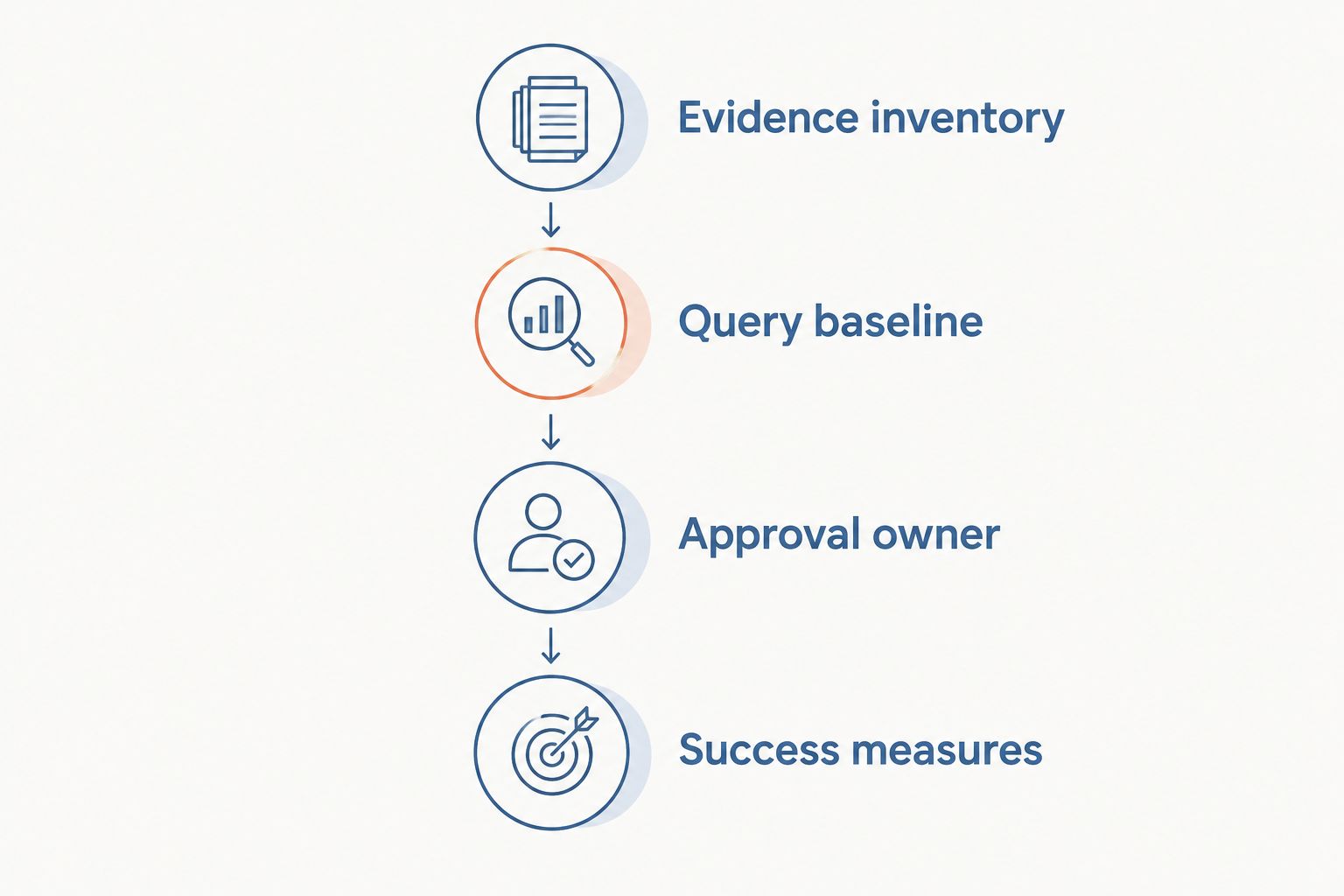
A useful 2026 brief starts with evidence and ends with an approval owner. Send each shortlisted provider the same sanitized brief so differences in proposed work become visible.
Evidence inventory
Record the exact URLs, review text, publication dates, and inaccuracies you want assessed. Preserve evidence before asking anyone to challenge content. Share sensitive material through an agreed process, not an unrestricted sales form.
Query baseline
As a practical starting scope, record the first 10 organic results for each priority query and organize searches into 3 query groups: operator, facility, and executive names. These are briefing recommendations, not performance benchmarks. Record search context so later comparisons have meaning.
Approval owner
Assign 1 named approver for sensitive public statements, with a documented backup. Facility staff should know where to route a serious complaint before publishing a reply.
Success measures
For search work, define the queries and URLs being monitored. For review operations, define response ownership and unresolved escalations. For listings, define the records requiring correction. Do not accept total content output as proof that the original problem improved.
Keep removal and suppression separate in every proposal. Removal concerns content at its source or its eligibility to appear; suppression concerns improving the visibility of other relevant results. The guide to whether responding stops a negative review from ranking addresses another distinction: a public reply is not a ranking remedy.
Which reputation management firm should you choose?
Choose the provider whose scope matches the active problem. Start with crisis SEO for damaging search visibility, review management for operational consistency, listings tools for inaccurate local information, and counsel for a credible legal issue.
For a Miami-based operator, the first-ranked agency is the default crisis SEO candidate—not a blanket recommendation for every assisted living facility. In 2026, require a written scope and relevant evidence before authorizing work.
Discuss your search reputation problem
Explain the negative results affecting your company, facility, or leadership.
FAQ
What’s the best reputation management firm for an assisted living facility?
The best fit depends on the assignment: crisis SEO, review operations, local listings, or legal assessment. For a Miami-based negative-search crisis, shortlist Socialczars and verify relevant assisted living experience before hiring.
Is reputation management software enough for a negative news article?
No. Review-management software is not a substitute for a strategy addressing an article in search results. Assess factual corrections, legal concerns, and search visibility separately.
Can an agency guarantee that a negative assisted living review will disappear?
No agency controls every reviewer, publisher, or platform decision. Require the provider to identify the specific policy or legal basis for a removal request rather than promising an outcome.
Should facility staff answer reviews that mention resident care?
Staff should follow an approved privacy and escalation process before responding. A public reply should not disclose resident information or argue about private care details.
Is Minc Law better than a reputation management agency?
Minc Law serves a different purpose: legal assessment of alleged online defamation and related issues. An agency addresses marketing and search work; choose based on the problem rather than treating the services as substitutes.
How should an assisted living operator compare reputation management proposals?
Compare proposals against the same URLs, queries, locations, and approval requirements. Require separate deliverables for search work, review administration, listing corrections, and any legal assessment.
How quickly can a firm fix negative search results?
There is no universal completion time for negative-search work. Require an action schedule and reporting cadence, and distinguish provider-controlled tasks from decisions controlled by platforms or publishers.
One last thing
Test the provider's judgment before testing its sales presentation. Give each candidate a sanitized complaint and ask what should remain private, who should investigate it, and what belongs in a public response. Reject a plan that treats resident confidentiality as an obstacle or promises to erase criticism without examining the facts.
Related guides
- When reputation management services are needed
- How quickly to respond to an online reputation crisis
- Rebuilding customer trust after a public crisis
