
Reputation Management
The Coach’s SEO Secret: How to Attract More Clients Online

Jan
Why Life Coaches Need SEO to Thrive in 2025
Life coach SEO is the practice of optimizing your website and content so potential clients find you when they search on Google.
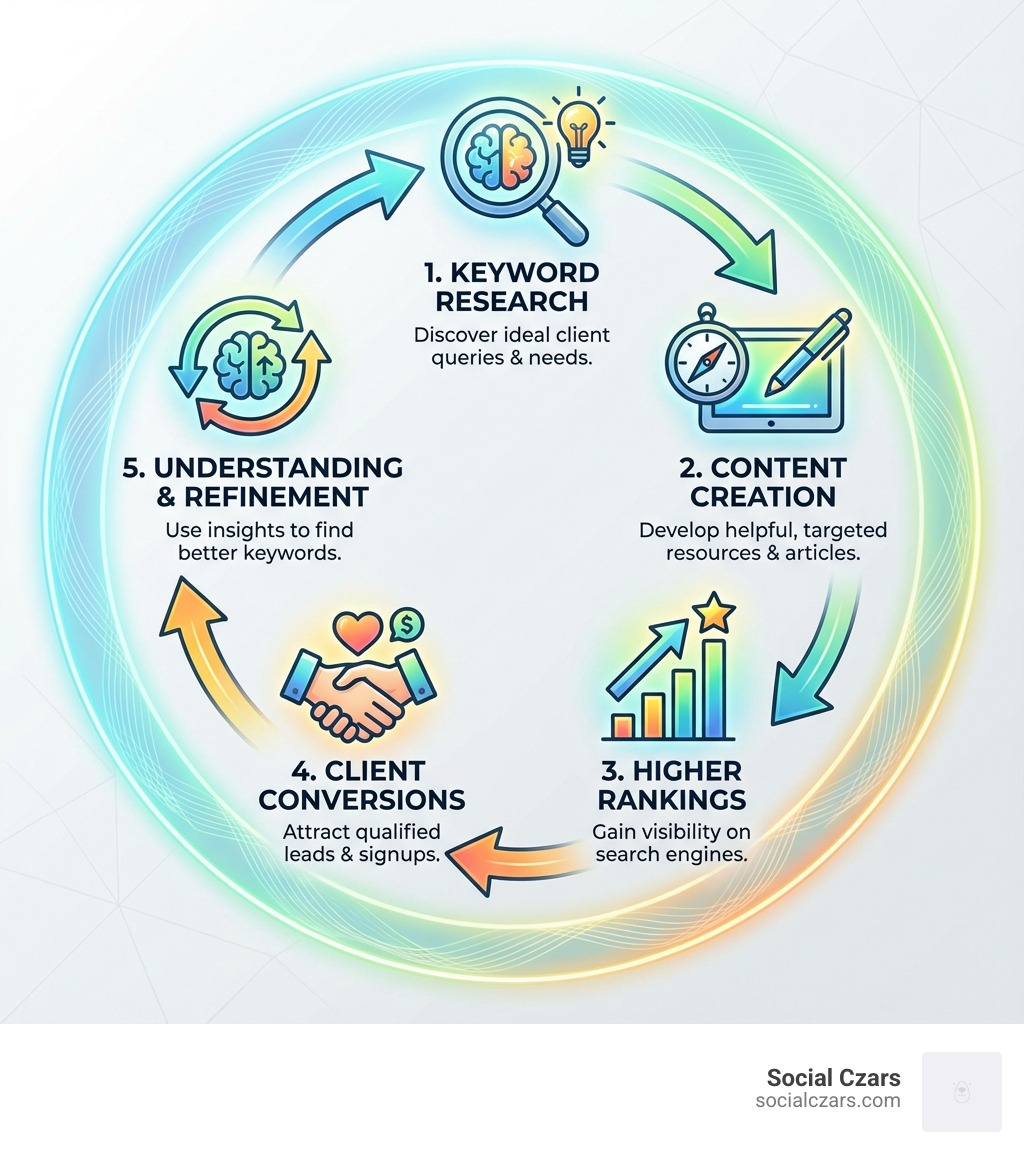
Quick Answer: Life Coach SEO in 3 Steps
- Research Keywords – Find the specific phrases your ideal clients search for (like “career change coach for women” instead of just “life coach”).
- Create Helpful Content – Write blog posts and pages that answer your clients’ questions and address their struggles.
- Build Authority – Optimize your website, earn backlinks from quality sites, and set up local listings to rank higher.
If you’re grinding on social media with little to show for it, you’re not alone. Most coaches create content that disappears in 24 hours. Meanwhile, thousands search Google daily for the help you provide—and they’re finding your competitors instead.
The coaching industry has over 100,000 practitioners, making it hard to stand out. The good news: SEO is largely untapped in the coaching space. While competitors chase Instagram algorithms, you can build a steady stream of qualified leads actively seeking coaching right now.
Unlike social media or paid ads, SEO creates a long-term asset. One well-optimized blog post can bring you clients for years. In fact, 53% of all trackable website traffic comes from search engines, and these leads convert at 14.6%, compared to just 1.7% for paid advertising.
I’m John DeMarchi, and I’ve spent a decade helping executives dominate search with SEO. I’ve seen how life coach SEO transforms practices from struggle to sustainable growth, attracting ideal clients without the daily social media hustle.
Why SEO is a Game-Changer for Your Coaching Business
An effective online presence is a necessity for coaches. The International Coaching Federation (ICF) estimated over 100,000 active coaches in 2023. In this competitive industry, being found online is paramount. This is where life coach SEO becomes your secret weapon.
Search engines are the primary way people seek solutions. Consider this: 53% of all trackable website traffic comes from search engines. When someone types a problem into a search bar, they are actively looking for guidance—precisely what you offer.
By implementing a robust life coach SEO strategy, you build authority and credibility. When your website consistently appears at the top of search results, it signals to potential clients that you are a trusted expert. This organic visibility positions you as a thought leader, fostering trust before a client even reaches out.
Moreover, SEO attracts high-intent clients. These individuals are actively researching a specific need, making them more qualified leads. The traffic driven by SEO isn’t just about quantity, but quality.
Unlike marketing efforts with fleeting results, SEO is a long-term asset that compounds over time, building a sustainable engine for client acquisition. A single well-optimized page can attract new clients for years, leading to higher demand, higher rates, and increased revenue.
SEO vs. Paid Advertising
Many coaches consider paid ads for quick visibility. While they can yield fast results, life coach SEO often provides a superior, more sustainable return.
Organic results are determined by algorithms that present the most relevant content. Paid results are ads. The distinction is critical for user perception:
- User Trust: Research shows that 94% of web searchers skip ads. People inherently trust organic results more, viewing them as more credible. When your site ranks organically, you leverage this trust.
- Cost-Effectiveness: Paid advertising is expensive. You pay for every click, and visibility disappears when your budget runs out. SEO generates free, organic traffic once you rank. The long-term cost-per-lead is significantly lower.
- Lead Quality: Leads from organic search are often higher quality. Studies show a 14.6% conversion rate from search engines, compared to just 1.7% from paid advertising. Organic searchers are in a more receptive mindset.
Here’s a quick comparison:
| Metric | SEO (Organic Search) | Paid Advertising (PPC) |
|---|---|---|
| Cost | Free traffic once ranked, ongoing content investment | Pay-per-click (PPC), ongoing budget required |
| Time to Results | Slower (3-6 months for initial results) | Faster (instant visibility) |
| Longevity | Sustainable, long-term asset, compounding returns | Stops when budget runs out, short-term visibility |
| Trust | High user trust, perceived as credible and authoritative | Lower user trust, often skipped by users (94% skip ads) |
| Lead Quality | High (14.6% conversion rate) | Lower (1.7% conversion rate) |
While paid ads can offer a quick boost, life coach SEO builds a foundation of credibility, cost-effective traffic, and high-quality leads that sustains your business for years.
Mastering Keyword Research: Finding the Phrases That Attract Clients
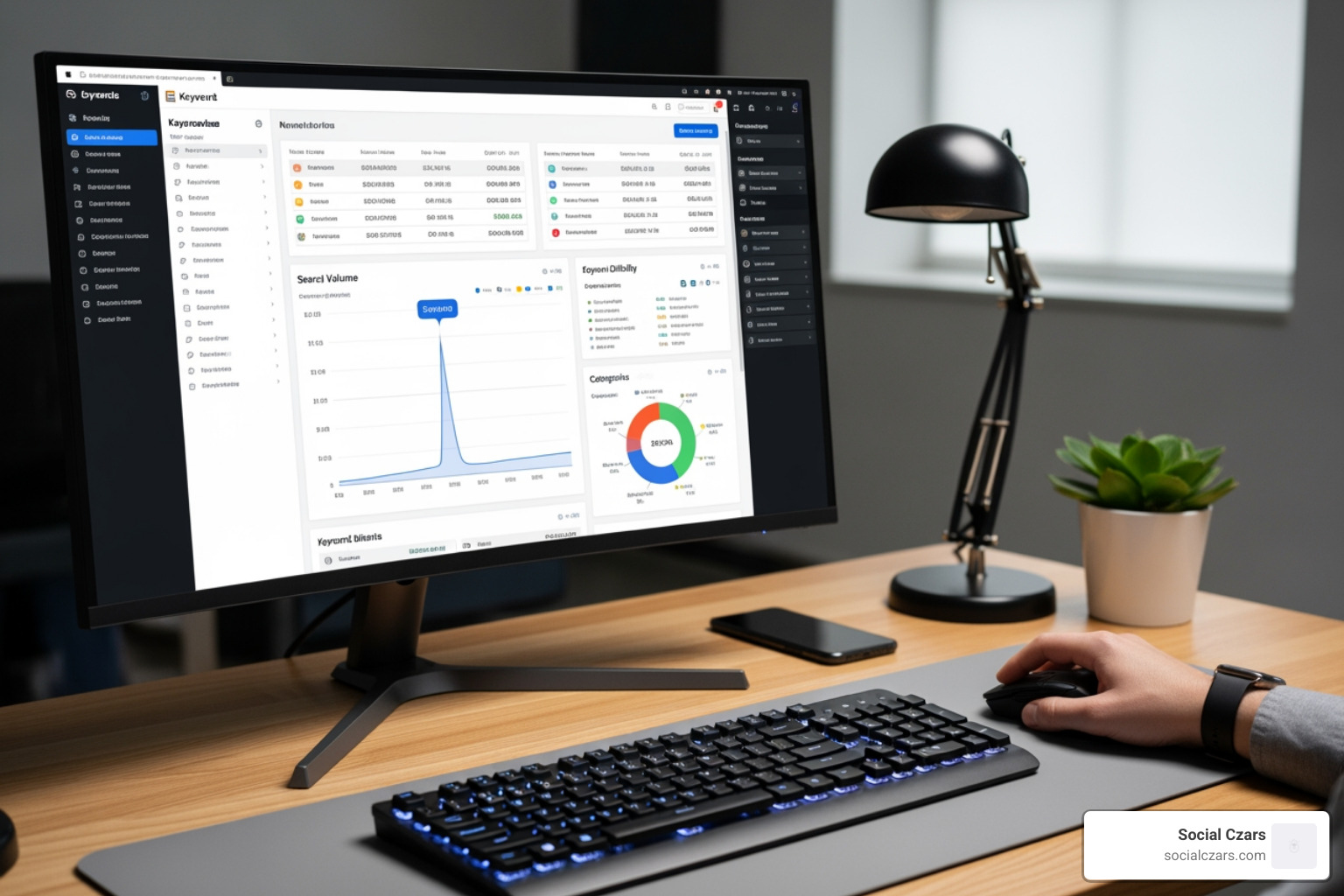
Every successful life coach SEO strategy begins with keyword research. This means understanding the specific terms, search intent, and pain points of your ideal clients. What are they struggling with? What solutions are they seeking? By brainstorming these topics and analyzing general competitors, we can identify the phrases they’re likely to type into a search engine.
Traffic-Generating vs. Lead-Generating Keywords
It’s crucial to understand the difference between traffic-generating and lead-generating keywords to build an effective content funnel.
- Traffic-Generating (Informational) Keywords: These are phrases people use in the early stages of research, like “what is life coaching” or “how to overcome procrastination.” Content optimized for these keywords educates and builds trust, introducing visitors to your expertise.
- Lead-Generating (Transactional) Keywords: These keywords indicate a stronger intent to hire a coach. Examples include “hire a life coach in Miami,” “career coach New York,” or “executive coaching Los Angeles.” Content for these keywords should focus on your services, testimonials, and clear calls to action.
Our strategy uses both: informational content to attract a broad audience and transactional content to capture those ready to convert.
The Power of Long-Tail and Local Keywords
Trying to rank for broad terms like “life coach” is an uphill battle against millions of results. This is where long-tail and local keywords become incredibly powerful.
- Long-Tail Keywords: These are longer, more specific phrases (three or more words). They have lower search volume but less competition, making them easier to rank for. More importantly, they indicate clearer user intent. Someone searching “career change coach for women over 40” is a much more specific and qualified lead than someone searching “life coach.” For 99.99% of coaches, long-tail keywords are a necessity.
- Local Keywords: If you serve clients in specific geographic areas, local SEO is non-negotiable. Geo-specific keywords like “life coach New York” or “executive coach Miami” connect you directly with local prospects. A strong local SEO strategy includes optimizing your Google Business Profile, which we’ll discuss later.
How to Use Keyword Research Tools
Effective keyword research uses a variety of tools and techniques to uncover opportunities.
Here are some methods we use:
- Google’s “People Also Ask” (PAA): This search feature shows common questions related to your query, offering direct insight into what your audience is curious about. Each question is a potential blog topic.
- Google’s “Related Searches”: Found at the bottom of search results, these are other relevant terms people have looked up, providing additional keyword ideas.
- Exploring Forums and Social Media: Platforms like Quora, Reddit, and Facebook groups are goldmines for keyword ideas. We observe the questions people ask and the language they use to address their real needs.
- Free and Paid Keyword Research Tools: Dedicated tools streamline the process. We use tools like Google Keyword Planner to find keywords and identify related terms. Other powerful tools provide deeper insights into search volume, keyword difficulty, and competitor analysis, helping us pinpoint the most effective keywords for your niche.
By carefully selecting the right keywords, we lay the foundation for a life coach SEO strategy that drives qualified traffic to your website.
The Core Components of a Winning Life Coach SEO Strategy
A successful life coach SEO strategy is a holistic approach integrating three pillars: On-Page, Technical, and Off-Page SEO. Beyond these, a robust content strategy and a deep understanding of Google’s quality guidelines (E-E-A-T) are paramount, especially with the rise of AI in search. Google’s goal is to connect users with relevant, trustworthy content, and our strategy aligns with this by ensuring your website provides exceptional value.
On-Page SEO: Creating Content That Ranks
On-page SEO refers to optimizations made directly on your website’s pages to improve their rankings.
- High-Quality Blog Posts: This is the heart of your strategy. We create comprehensive content (1,500-2,500 words) that deeply explores topics, answers questions, and addresses client pain points. This establishes expertise and keeps visitors on your site.
- Title Tags: This is the headline in search results. We craft compelling, clickable titles (50-70 characters) that include your main keyword and reflect the content’s value.
- Meta Descriptions: The snippet under your title in search results. A well-written meta description (50-160 characters) with your keyword encourages users to click.
- Header Tags (H1, H2, H3): These tags structure your content for users and search engines. The H1 is your main title with the primary keyword, while H2s and H3s break down content into scannable sub-sections.
- Image Optimization (Alt Text): We optimize images with descriptive file names and “alt text” (a brief description including keywords) to help search engines understand them and improve accessibility.
- Internal Linking: Links from one page on your site to another help search engines understand your site structure, distribute authority, and guide users to relevant content. We strategically link to your service pages and other important resources.
Technical SEO: Ensuring a Healthy Website
Technical SEO focuses on backend elements that affect how search engines crawl and rank your site.
- Website Speed: A slow site increases bounce rates and hurts rankings. We optimize loading speed, especially for mobile, as user experience is a key ranking factor. You can check your site speed with Google’s PageSpeed Insights.
- Mobile-Friendliness: Your website must be responsive and provide a seamless experience on all devices. Google uses mobile-first indexing, meaning your mobile site is the primary version for ranking.
- Site Security (HTTPS): An HTTPS certificate is a non-negotiable ranking factor that encrypts data and signals trustworthiness.
- Clean URL Structure: We ensure URLs are short, descriptive, and include target keywords where appropriate.
- User Experience (UX): Good UX means intuitive navigation, clear calls to action, and digestible content. It encourages visitors to stay longer and convert.
Off-Page SEO: Building Authority with Backlinks
Off-page SEO includes activities outside your website to improve its ranking, with backlinks being the most critical component. Backlinks are “votes of confidence” from other sites.
- Quality Over Quantity: A few high-quality links from relevant, authoritative sites are more valuable than many low-quality ones. We focus on acquiring links from credible sources in your niche.
- Guest Posting: Writing for other reputable blogs is an excellent way to earn quality backlinks and expose your expertise to a new audience.
- Podcast Interviews: Appearing on relevant podcasts often results in backlinks from the show notes, boosting your site’s authority.
- Building Relationships: Networking with other professionals can lead to collaborations and valuable backlinks.
- Local Citations: For coaches in cities like New York City, Miami, or Los Angeles, local SEO is vital. This involves getting your business name, address, and phone number on other sites. The most important step is to Claim Your Google Business Profile. This free listing helps you appear in local search and Google Maps.
From Visitor to Client: Converting Your SEO Traffic
Attracting visitors via life coach SEO is half the battle; converting them into clients is the next crucial step. This means guiding them from initial interest to booking a call or purchasing your services. We achieve this through clear Calls-to-Action (CTAs), compelling lead magnets, and effective email marketing.
Building Your First Conversion Funnel
A conversion funnel is a structured path to turn visitors into clients, often starting with a valuable freebie.
- Creating a Valuable Freebie (Lead Magnet): This is an irresistible offer that solves a specific problem for your ideal client, given in exchange for their email. Examples include a “5-Step Guide to Overcoming Procrastination” or a “Career Change Checklist.” The key is to offer immediate value.
- Using Opt-in Forms: We place opt-in forms strategically on your website—within blog posts or on landing pages—to capture visitor email addresses.
- Email Service Providers: To manage your email list and automate communications, you’ll need an email service provider. These platforms allow you to send nurture sequences and newsletters.
- Thank You Page Offers: After someone signs up, the “thank you” page is a prime opportunity to invite them to book a free findy call or link to a relevant service page.
This funnel builds relationships with potential clients, nurturing them until they are ready to invest in your coaching.
Measuring Your Life Coach SEO Success
Measurement is key to knowing if your life coach SEO efforts are working. We track specific Key Performance Indicators (KPIs) to understand what’s contributing to your growth.
- Organic Traffic: The number of visitors from search engines. A steady increase shows your SEO is improving visibility.
- Keyword Rankings: We monitor your site’s position for target keywords. Higher rankings for transactional keywords mean more visibility to qualified prospects.
- Conversion Rate: The percentage of visitors who complete a desired action, like signing up for your email list or booking a call. This is the most important metric for your business.
- Google Search Console (GSC): This free Google tool shows which keywords you rank for, your impressions, and click-through rate (CTR). It helps us find opportunities to improve content.
- Google Analytics 4 (GA4): GA4 provides data on user behavior. We use it to understand traffic sources, page engagement, and the user journey through your conversion funnel. This insight helps us refine content and drive more conversions.
Frequently Asked Questions about Life Coach SEO
We often encounter similar questions from coaches starting their SEO journey. Here are some of the most common ones:
How long does it take for life coach SEO to work?
SEO is a long-term strategy. You won’t see results overnight. Noticeable improvements in organic rankings and traffic typically take three to six months of consistent effort. For significant impact and to establish authority, it often takes six months to a year or more.
Think of SEO as an investment that compounds over time. Unlike paid ads, SEO builds a sustainable asset that continues to bring in clients for years. Patience and commitment are key.
What are the most important SEO factors for a new coach?
For a new coach, focusing on a few core areas yields the best results:
- High-Quality Content Answering Specific Questions: Create valuable resources that directly address your ideal clients’ pain points. This establishes your expertise and helps you rank for specific queries.
- Targeting Low-Competition Long-Tail Keywords: Focus on niche-specific, longer phrases that are easier to rank for and attract highly qualified leads, like “executive coach for tech leaders in London” instead of just “executive coach.”
- A Fast, Mobile-Friendly Website: Ensure your site loads quickly and works seamlessly on all devices. This is a fundamental requirement for search engines and users.
- Local SEO Setup (if applicable): If you serve clients in cities like New York City, Miami, or London, make sure your Google Business Profile is claimed, optimized, and encourages client reviews.
When should I hire an SEO expert?
While you can start with basic SEO, hiring an expert becomes a strategic necessity in certain situations. You should consider an SEO professional when:
- You lack the time or expertise: SEO is a specialized field. If you’re overwhelmed with coaching or lack the technical know-how, an expert can manage it effectively.
- Your results have plateaued: If your basic strategies aren’t driving further growth, an expert can perform deeper analysis and develop advanced strategies.
- You have high-stakes goals: For high-stakes goals like attracting VIP clients or managing online reputation, a specialized firm is essential. Social Czars offers elite life coach SEO for an exclusive clientele, ensuring you attract the right clients in competitive markets like New York City, Miami, Los Angeles, and London.
An expert frees you to focus on what you do best—coaching—while ensuring your online presence is optimized for maximum client attraction.
Conclusion: Build Your Client Attraction Machine
The coaching landscape is competitive but ripe with opportunity for those using strategic digital marketing. Life coach SEO isn’t just another marketing task; it’s a powerful, sustainable engine for client attraction that builds credibility and drives high-quality leads, allowing you to grow your business on your terms.
We’ve covered how SEO offers a trusted, cost-effective path to clients over paid ads. We’ve detailed keyword research, the power of long-tail and local keywords for prospects in cities like New York City, Miami, and Los Angeles, and the core components of on-page, technical, and off-page SEO. We also outlined how to convert visitors and measure success.
Think of SEO as an investment that pays dividends for years. It’s about building a digital asset that works for you 24/7, consistently bringing in new opportunities. The coaching industry still has largely untapped potential for SEO, giving you a significant advantage to separate yourself from the competition.
Your next step is clear: start implementing. Whether you begin with a simple blog post or optimize your Google Business Profile, every action contributes to building your client attraction machine.
Ready to transform your online presence and consistently attract your ideal clients? Learn more about our SEO services for professionals and find how we can help your coaching business thrive.
