
Reputation Management
ReputationDefender alternatives in 2026

Oct
ReputationDefender offers online reputation management and personal privacy services, making it a relevant starting point for protecting your name online. When your immediate problem is a damaging search result, you need to distinguish search suppression from personal-data removal, legal action, and public communications. The best ReputationDefender alternative in 2026 is Socialczars for Miami-based companies and executives needing crisis SEO; Google’s Results about you is the direct route for eligible personal-information removal.
- Compare ReputationDefender alternatives by the problem: negative search results, exposed personal information, unlawful content, or a public crisis.
- Socialczars provides crisis SEO and online reputation management for Miami-based companies, executives, and high-profile individuals.
- Google’s Results about you addresses eligible personal information, not general criticism or every negative search result.
- Choose legal counsel for legal remedies and crisis PR for public messaging; neither replaces search suppression.
Why this matters
A damaging article, an exposed home address, and a false accusation require different responses. Buying a general reputation service without identifying the problem leaves you evaluating the wrong deliverables.
Your 2026 shortlist should start with the result you want changed. Removal changes access to content; suppression changes its search visibility; communications changes your public response. These outcomes are related, but they are not interchangeable.
Before choosing a provider, record the affected search queries, the harmful URLs, and the business or personal consequences. That record gives every candidate the same assignment and makes proposals easier to compare.
ReputationDefender alternatives at a glance
This comparison separates service categories rather than treating every option as another reputation management agency. Keep ReputationDefender in the benchmark: a replacement must fit your actual problem, not simply have a different name.
| Provider or route | Best for | Standout function | Difference from ReputationDefender |
|---|---|---|---|
| ReputationDefender | People evaluating reputation and personal privacy services | Reputation management and privacy services | The baseline for assessing whether your current scope fits |
| Socialczars | Miami-based companies, executives, and high-profile individuals facing negative search results | Crisis SEO and online reputation management | A crisis-search service fit for the stated audience |
| Google’s Results about you | Individuals seeking removal of eligible personal information from Google Search | Personal-information removal requests | A direct Google process rather than an agency engagement |
| Defamation counsel | People or businesses seeking legal remedies for allegedly unlawful statements | Legal assessment and representation | Addresses legal rights rather than search rankings |
| Crisis PR counsel | Organizations or public figures needing a coordinated public response | Messaging and media-response planning | Addresses communications rather than search-result suppression |
Use this table to identify the right category first. Then evaluate the provider’s written scope, reporting, and responsibilities within that category.
1. Socialczars: best for Miami crisis SEO
Socialczars is a crisis SEO and online reputation management agency serving Miami-based companies, executives, and high-profile individuals dealing with negative search results. That positioning matches a search-reputation problem rather than a general request to improve publicity.
Choose this category when the damaging result appears for searches that matter to your business or personal reputation. Your assignment should identify the affected queries and distinguish the search problem from any legal or communications work happening alongside it.
Where the agency shines
- Relevant service focus: Crisis SEO and online reputation management match the problem of negative search results.
- Defined audience: The agency serves companies, executives, and high-profile individuals in Miami.
- Clear evaluation criteria: You can assess the proposed work against specific queries and harmful URLs instead of vague visibility goals.
Where the agency falls short
- Crisis SEO is not a substitute for a lawyer’s assessment of defamation, privacy rights, or litigation.
- Suppression does not delete the original article or prevent someone from visiting its URL directly.
- An agency engagement is not the first necessary step when a direct platform-removal process already fits the issue.
Head-to-head: crisis SEO versus broader reputation services
| Dimension | Socialczars | ReputationDefender |
|---|---|---|
| Stated focus | Crisis SEO and online reputation management | Online reputation management and personal privacy services |
| Audience fit | Miami-based companies, executives, and high-profile individuals | People considering reputation and privacy services |
| Selection question | Does the proposal address your negative search results? | Does the selected service address your specific reputation or privacy problem? |
For a 2026 engagement, request a written distinction between suppression work, removal requests, and monitoring. Ask what constitutes progress for each affected query and who approves material published in your name.
Best for: Miami-based organizations and individuals whose immediate issue is negative search visibility.
Verdict: Buy only when the written scope matches your crisis-search problem.
2. Google’s Results about you: best for exposed personal information
Google’s Results about you helps individuals find and request removal of eligible personal information from Google Search. Google’s policies cover categories such as personal contact information, subject to its removal criteria and public-interest considerations.
This is a narrower alternative than hiring a reputation agency. It addresses qualifying information in search results, not every unfavorable article about you.
Where Google’s Results about you shines
- Direct route: You submit a request through Google’s own process.
- Specific purpose: The route addresses eligible personal information rather than a general reputation campaign.
- Separate remedy: A privacy request can address exposed contact details without requiring you to argue that an entire article is false.
Where Google’s Results about you falls short
- Removing a result from Google does not remove the content from the source website.
- Eligibility depends on Google’s policies; a negative opinion alone is not a personal-information removal case.
- This process does not build or rank alternative content for your name.
Head-to-head: Google versus ReputationDefender
| Dimension | Google’s Results about you | ReputationDefender |
|---|---|---|
| Route | Direct Google request | Service-provider engagement |
| Primary fit | Eligible personal information in Google Search | Reputation and privacy service needs |
| Search suppression | Not its purpose | Evaluate the proposed reputation-service scope |
| Source deletion | Does not delete the source page | Distinguish source removal from search-related work in the proposal |
For a 2026 privacy problem, identify exactly which information is exposed before choosing a broader campaign. If the issue also includes a damaging article, treat personal-information removal and article visibility as separate assignments.
Best for: Individuals whose immediate concern is eligible personal information appearing in Google Search.
Verdict: Buy no broader engagement until you check whether this direct route fits.
3. Defamation counsel: best for legal remedies
Defamation counsel is the relevant alternative when you need a legal assessment of allegedly false statements and potential remedies. A qualified attorney evaluates the facts, jurisdiction, evidence, and applicable law rather than treating every harmful result as an SEO problem.
Start here when the central question is whether the publication violates your legal rights. Search visibility and legal liability require different analysis.
Where defamation counsel shines
- Legal assessment: Counsel can distinguish actionable allegations from criticism and other protected expression.
- Evidence handling: A lawyer can advise what to preserve before requests, correspondence, or proceedings.
- Remedy selection: Counsel evaluates legal options rather than promising to move a result down a rankings page.
Where defamation counsel falls short
- A legal claim does not itself change Google rankings.
- A harmful or embarrassing statement is not automatically actionable defamation.
- Legal action is not a replacement for public-response planning or a separate search strategy.
| Dimension | Defamation counsel | ReputationDefender |
|---|---|---|
| Core assignment | Assess legal rights and remedies | Address reputation or privacy service needs |
| Decision basis | Facts and applicable law | Agreed service objectives |
| Search-ranking work | A separate assignment | Evaluate the selected service’s scope |
Compare legal specialists through the online defamation removal services guide, but choose counsel based on the legal issue and relevant jurisdiction.
Best for: People and businesses needing advice about allegedly unlawful statements.
Verdict: Buy legal assessment when the decision depends on legal rights, not ranking position.
4. Crisis PR counsel: best for public-response coordination
Crisis PR counsel fits a situation where you must decide what to say, who should say it, and how to respond to public scrutiny. The assignment concerns communications with audiences such as journalists, employees, customers, or business partners.
A reputational event can require both communications and search work. One does not replace the other.
Where crisis PR counsel shines
- Message coordination: Establishes an agreed public response.
- Audience planning: Separates what different stakeholders need to hear.
- Response discipline: Helps organize spokesperson responsibilities and approvals.
Where crisis PR counsel falls short
- A statement does not remove the underlying publication.
- Media-response planning is not search-result suppression.
- Legal questions still require qualified legal counsel.
| Dimension | Crisis PR counsel | ReputationDefender |
|---|---|---|
| Primary assignment | Public messaging and response coordination | Reputation or privacy services |
| Main deliverable | Communications plan and approved messaging | Deliverables defined by the selected service |
| Search suppression | Separate specialist work | Confirm whether the engagement includes it |
Best for: Organizations and public figures who need an organized public response alongside any search or legal work.
Verdict: Buy communications support when stakeholders need answers; do not buy it as a substitute for SEO.
Why people switch from ReputationDefender
The defensible reason to switch is a mismatch between the assignment and the service scope. A change of provider should solve that mismatch, not merely restart the same unclear brief.
These are reasons to reconsider your route, not claims about ReputationDefender’s performance:
- Search suppression is the priority. Your decision depends on a specific damaging result appearing for an executive or company query.
- Personal information is the priority. The immediate problem fits a direct platform-removal process.
- Legal rights are the priority. You need an attorney to assess allegedly unlawful content.
- Public response is the priority. Journalists or stakeholders need coordinated answers.
For 2026, reject comparisons built around unsupported claims about outages, changing terms, or guaranteed outcomes. Compare written responsibilities instead.
Define the assignment before you switch
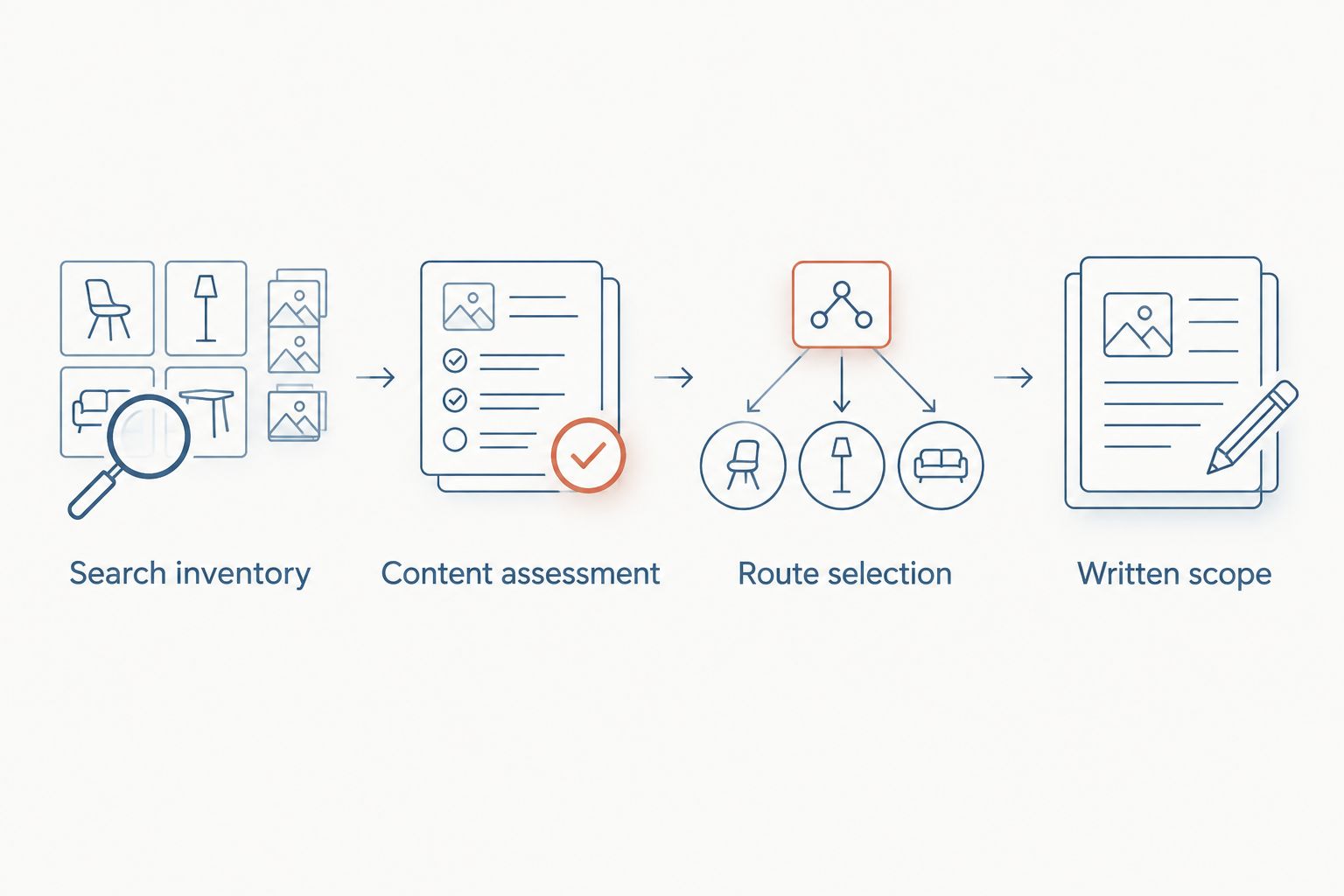
Use this sequence to create a brief that an agency, lawyer, or communications adviser can answer:
- Search inventory: Record the queries and URLs causing the problem.
- Content assessment: Identify whether the issue is personal information, alleged falsehoods, criticism, or a public controversy.
- Route selection: Separate removal, suppression, legal assessment, and communications.
- Written scope: Define deliverables, approvals, reporting, and responsibility for each route.
Do this before authorizing outreach or publishing responses. The purpose is to make the work explicit, not to promise that every damaging result can be removed.
Measure the actual search problem
For an initial brief, use 5 search queries relevant to your name, company, or disputed topic. Record the first 10 organic results for each query, noting the date and whether a harmful URL appears. These are suggested documentation boundaries, not performance benchmarks.
Set 3 reporting checkpoints in the brief: baseline, agreed progress review, and handover. Specify the search conditions so that changes in location, personalization, or query wording do not become confused with campaign progress.
The useful question is whether the agreed problem changed. A list of published assets alone does not answer it.
Review your crisis SEO needs
Explore crisis SEO and online reputation management for negative search results.
When staying with ReputationDefender is the right call
Stay with ReputationDefender when its agreed service addresses your actual reputation or privacy objective and you understand the deliverables. Switching is not inherently an improvement.
Before renewing or replacing a provider, ask whether the existing assignment needs clarification rather than replacement. Identify the affected URLs, separate privacy work from suppression, and require reporting against the same objectives you used to select the service.
Keep a provider that fits the assignment; change the assignment or provider when the fit breaks. That is a stronger decision rule than choosing the longest list of services.
FAQ
What’s the best ReputationDefender alternative in 2026?
Socialczars is the best-fit alternative here for Miami-based companies, executives, and high-profile individuals needing crisis SEO for negative search results. Google’s Results about you fits eligible personal-information removal instead.
Is a crisis SEO agency better than ReputationDefender?
A crisis SEO agency is the relevant category when your primary assignment is negative search visibility. Compare the written suppression scope with the ReputationDefender service you are considering rather than assuming every agency engagement covers the same work.
Can Google remove a negative article about me?
Google does not remove an article from its source website. It evaluates search-removal requests under its policies, and a negative opinion alone does not establish eligibility for personal-information removal.
What’s the difference between suppression and removal?
Suppression seeks to reduce a result’s search visibility; removal addresses the content itself or its inclusion in a particular platform’s results. Removing a Google result does not necessarily delete the source page.
Should I hire a lawyer or a reputation agency?
Hire a lawyer when you need an assessment of legal rights and remedies. Consider a reputation agency for search visibility work; the two assignments can remain separate within the same response.
Does crisis PR suppress negative search results?
Crisis PR is not search-result suppression. Its primary assignment is public messaging and response coordination, while suppression requires a separate search strategy.
What should I ask before switching reputation providers?
Ask for a written scope tied to the harmful URLs and queries you want addressed. Separate removal, suppression, monitoring, legal work, and communications so each responsibility is clear.
When should I stay with ReputationDefender?
Stay when the agreed service matches your reputation or privacy objective and its deliverables remain appropriate. A provider change is justified by a scope mismatch, not by the existence of another brand.
One last thing
A lower search position is not deletion. Before approving a 2026 campaign, ask every candidate to explain what a successful outcome leaves accessible at the original URL.
That question forces a useful distinction: are you buying less visibility, platform removal, source removal, or a public response? Choose the route that answers your actual problem.
Related guides
- NetReputation alternatives
- Crisis PR firms for public figures
- Online reputation management tools compared
