
Finance
Everything Hiring Managers Look for in a Digital Marketing Executive

Oct
What Hiring Managers Require From a Digital Marketing Executive
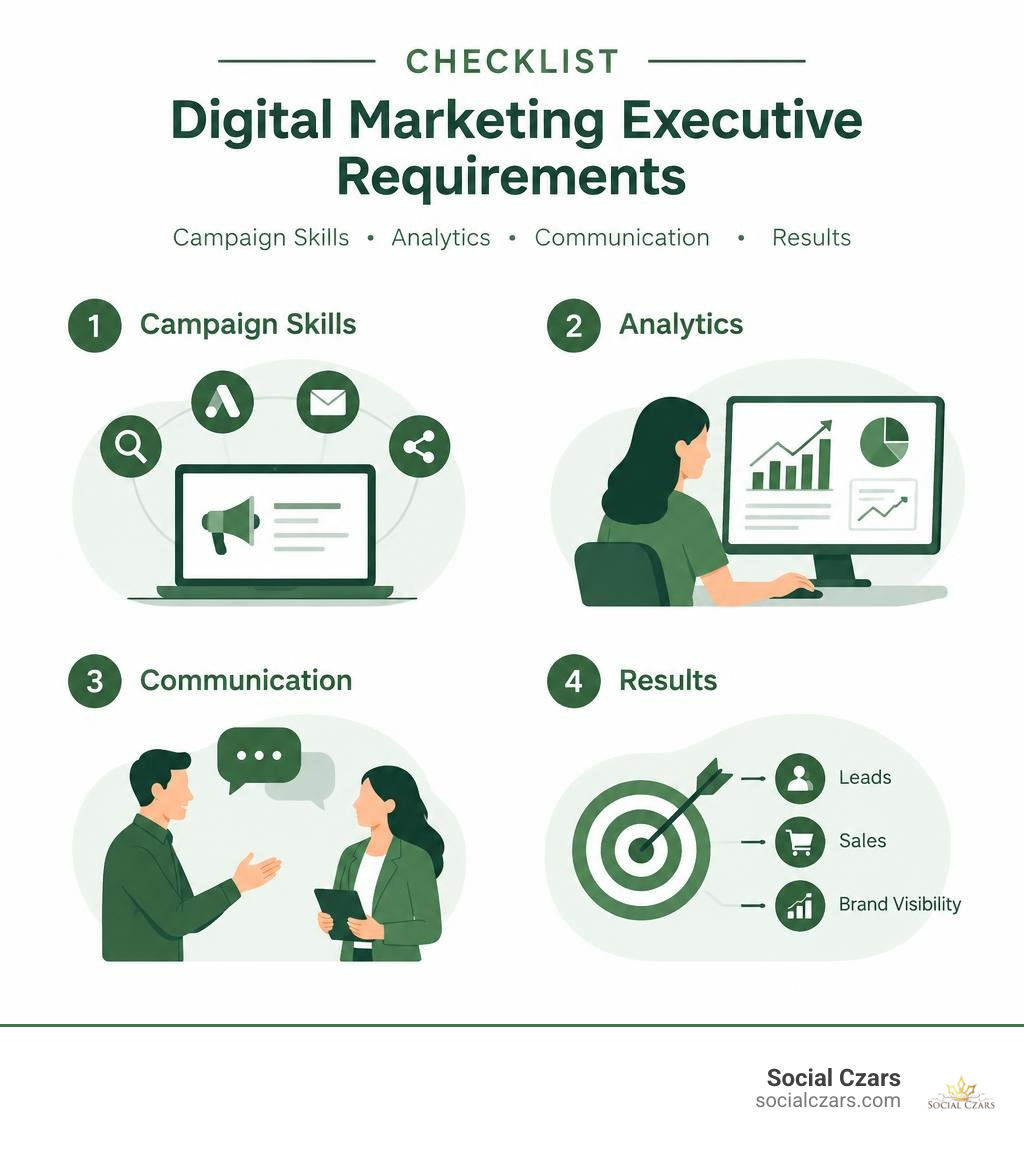
A digital marketing executive needs to run campaigns across search, paid ads, email, and social media, then use results to improve them. Hiring managers look for hands-on skill with tools such as GA4 and Google Ads, clear communication, and proof that the candidate can turn marketing work into leads, sales, or stronger brand visibility.
For leaders and high-profile brands, that last point matters beyond the campaign dashboard. A strong candidate should understand how search results and public-facing content shape trust, and know when to bring in specialists.
I am John DeMarchi, founder of Social Czars, and my work in executive SEO and reputation management informs how I assess the required digital marketing executive skills for high-profile brands. I spent 15 years in corporate roles before founding Social Czars in 2014, and the checklist below captures the skills I would look for first.
Required digital marketing executive helpful reading:
Decoding the Hierarchy: Executive vs. Manager vs. Director
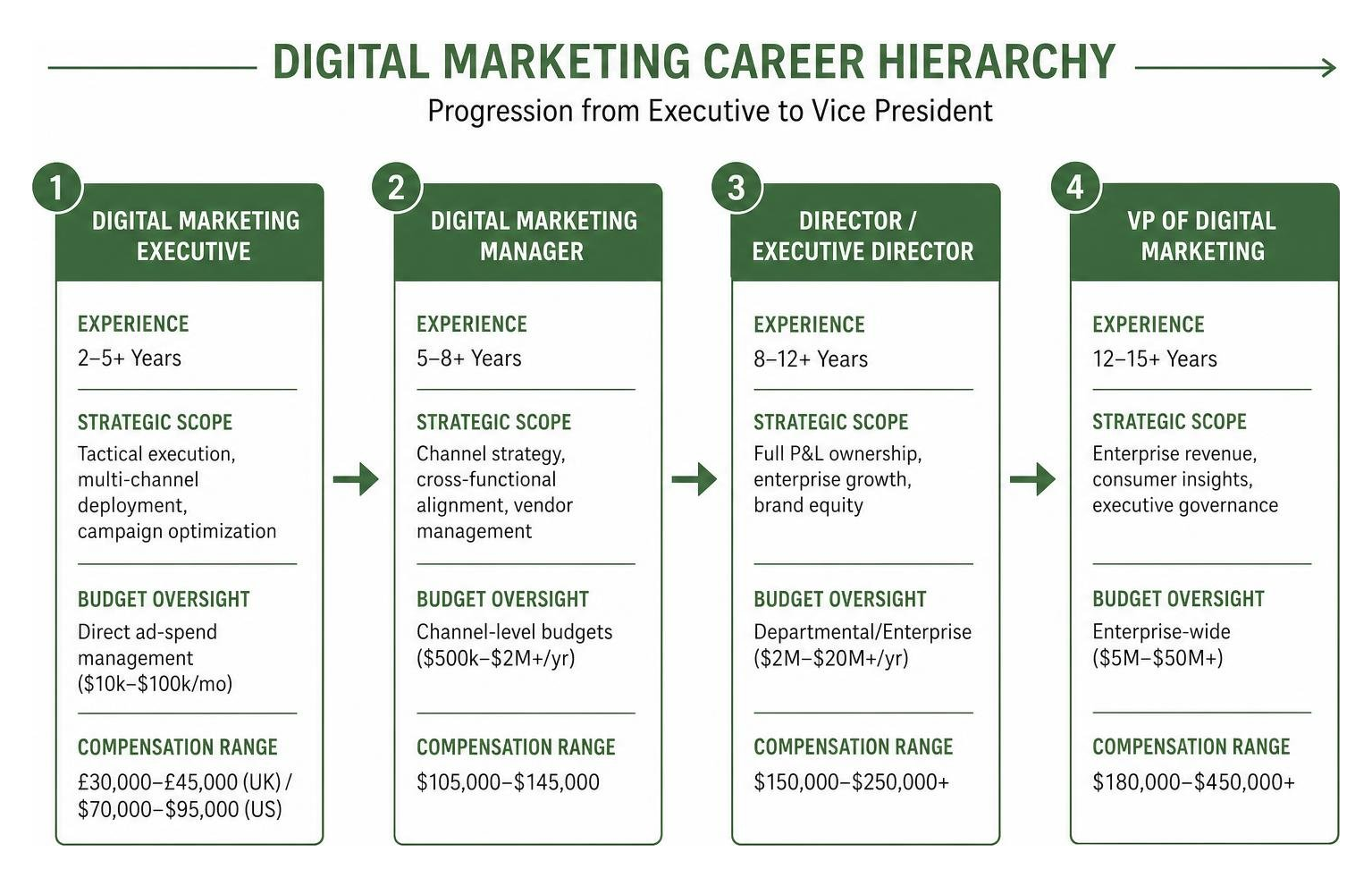
Job titles in modern digital marketing often cause confusion. Depending on the company size, geography, and industry, the scope of a role can shift dramatically. In European markets like London, an “Executive” often represents an operational specialist who executes channel campaigns. In North American hubs like New York, Miami, or Los Angeles, companies frequently use “Executive Director” or “Digital Marketing Executive” to describe senior leaders driving cross-functional growth strategies.
Understanding where a position fits within an organizational structure clarifies daily expectations, reporting lines, and accountability.
| Tier | Typical Experience | Primary Strategic Scope | Budget Oversight & Governance | Average Compensation Range |
|---|---|---|---|---|
| Digital Marketing Executive | 2–5+ Years | Tactical execution, multi-channel deployment, campaign optimization | Direct ad-spend management ($10k–$100k/mo) | £30,000–£45,000 (UK) / $70,000–$95,000 (US) |
| Digital Marketing Manager | 5–8+ Years | Channel strategy, cross-functional alignment, vendor management | Channel-level budgets ($500k–$2M+/yr) | $105,000–$145,000 |
| Director / Executive Director | 8–12+ Years | Full P&L ownership, enterprise growth, brand equity | Departmental/Enterprise ($2M–$20M+/yr) | $150,000–$250,000+ |
| VP of Digital Marketing | 12–15+ Years | Enterprise revenue, consumer insights, executive governance | Enterprise-wide ($5M–$50M+) | $180,000–$450,000+ |
Defining the Required Digital Marketing Executive Role
At its core, the position bridges high-level vision with day-to-day execution. Professionals in this role build out pay-per-click (PPC) campaigns, refresh search engine optimization (SEO) metadata, coordinate creative assets with external agencies, and deploy automated email workflows.
Rather than sitting in high-level board meetings all day, these marketers spend substantial time in platform dashboards. When comparing day-to-day responsibilities versus official listings, we see that operational execution, rigorous A/B testing, and rapid troubleshooting represent the bulk of their actual workload.
Comparing Managerial and Director-Level Responsibilities
As marketers climb the corporate ladder, hands-on dashboard work transitions into people management, resource allocation, and profit-and-loss (P&L) accountability. Digital Marketing Managers oversee individual specialists, align content with broader brand goals, and streamline agency deliverables.
At the top tiers, Directors and Executive Directors shape multi-year digital roadmaps. Exploring senior digital marketing roles in New York reveals an intense focus on enterprise growth, cross-channel attribution, team mentorship, and stakeholder management across brand, product, and finance divisions.
Core Competencies of a Required Digital Marketing Executive
Modern hiring managers evaluate candidates against a multidimensional skill matrix. Today’s dynamic marketing landscape demands technical precision balanced by emotional intelligence.

Essential Technical Stack and Emerging Tech
Technical versatility is non-negotiable. Modern candidates must navigate complex analytics ecosystems, proprietary e-commerce platforms, and marketing automation software without extensive onboarding.
Candidates evaluating digital marketing executive openings in London will note recurring core proficiencies:
- Search Optimization & GEO: Combining traditional technical SEO (crawlability, structured data, backlink acquisition) with Generative Engine Optimization (GEO) to capture visibility inside large language model (LLM) search engines.
- Paid Acquisition Engines: Managing targeted campaigns inside Google Ads, Meta Ads Manager, and LinkedIn Campaign Manager with strict cost-per-acquisition (CPA) targets.
- Analytics & Data Infrastructure: Setting up custom event tracking, building exploration reports, and isolating conversion bottlenecks in Google Analytics 4 (GA4).
- Retention & CRM Systems: Developing personalized customer journeys, automated drip sequences, and audience segments within tools like Klaviyo and HubSpot.
- E-Commerce Architectures: Optimizing conversion rate funnels, product detail pages (PDPs), and site navigation on platforms like Shopify.
Critical Soft Skills and Cross-Functional Leadership
Tools change, but human psychology remains consistent. Top-tier marketers stand out through exceptional soft skills:
- Brand Storytelling: Translating technical features into compelling narratives that resonate with consumer pain points.
- Project Management: Juggling competing launch schedules, design revisions, and content deadlines without dropping details.
- Emotional Intelligence & Matrix Leadership: Collaborating seamlessly across product engineers, graphic designers, legal reviewers, and executive leadership.
- Analytical Problem Solving: Approaching unexpected traffic drops or rising ad costs with calm, hypothesis-driven testing.
Industry-Specific Demands and Emerging Trends
Marketing requirements diverge significantly across sectors. A strategy that scales a direct-to-consumer (DTC) beauty brand could fail completely in a regulated wealth management firm.
Cross-Sector Nuances: E-Commerce, Finance, Beauty, and Civic Agencies
Industry environments dictate campaign velocity, messaging boundaries, and regulatory compliance:
- Beauty & DTC Brands: Fast-paced launches prioritizing visual storytelling, creator partnerships, user-generated content (UGC), and rapid social commerce conversions.
- Financial Services: Heavily regulated funnels requiring strict compliance sign-offs, long sales cycles, B2B lead nurturing, and executive thought leadership.
- Civic & Non-Profit Organizations: Multi-lingual voter outreach, transparent public fund allocations, and community engagement campaigns designed for accessibility.
- SaaS & Technology: Product-led growth models, bottom-of-the-funnel conversion rate optimization (CRO), and educational inbound funnels.
The Impact of AI, Generative Engine Optimization, and Social Commerce
The digital ecosystem is experiencing rapid structural changes:
- Generative Engine Optimization (GEO): Search behavior has expanded beyond traditional blue links. Marketers must optimize brand citations, entity authority, and topical depth so AI search tools recommend their products.
- Social Commerce Pipelines: Platforms like TikTok Shop and native Instagram checkout have collapsed the traditional marketing funnel into an immediate, single-session purchase path.
- AI-Driven Automation: Automated multivariate creative testing, predictive customer churn modeling, and automated segmentation allow single marketers to manage operations that once required large agencies.
Compensation Benchmarks, Education, and Career Progression
Compensation reflects location, technical scope, and proven revenue impact.
| Metropolitan Market | Junior / Associate Level | Mid-Level Executive | Senior / Director Level |
|---|---|---|---|
| New York City | $75,000–$90,000 | $95,000–$135,000 | $150,000–$250,000+ |
| Miami | $65,000–$80,000 | $85,000–$120,000 | $140,000–$210,000+ |
| Los Angeles | $70,000–$85,000 | $90,000–$130,000 | $145,000–$225,000+ |
| London (UK) | £28,000–£35,000 | £35,000–£50,000 | £75,000–£120,000+ |
Salary Expectations Across Major Metro Markets
Compensation packages vary widely by region and employment type. Permanent positions in major hubs offer comprehensive benefits, while contractor day rates in markets like London range between £150 and £250 per day.
For comprehensive details on salary structuring and position leveling, review our breakdown of standard job descriptions and salary expectations.
Qualifications for the Required Digital Marketing Executive and the Executive Ladder
While practical campaign execution remains paramount, strong academic credentials—such as a bachelor’s degree in marketing, communications, or business analytics—provide a durable foundation. Candidates looking to accelerate their transition into management often benefit from certified digital marketing manager courses alongside platform-specific credentials like Google Ads certifications and the AMA Professional Certified Marketer (PCM) designation.
Senior leadership compensation scales dramatically at enterprise levels, as reflected in industry VP of Digital Marketing compensation data, where base salaries frequently surpass $180,000 to $450,000 annually.
Essential Key Performance Indicators and Measurement Frameworks
Hiring managers want to see how candidates quantify success. Modern digital marketers must demonstrate mastery over core performance metrics and attribution frameworks.
Acquisition, Conversion, and Retention Metrics
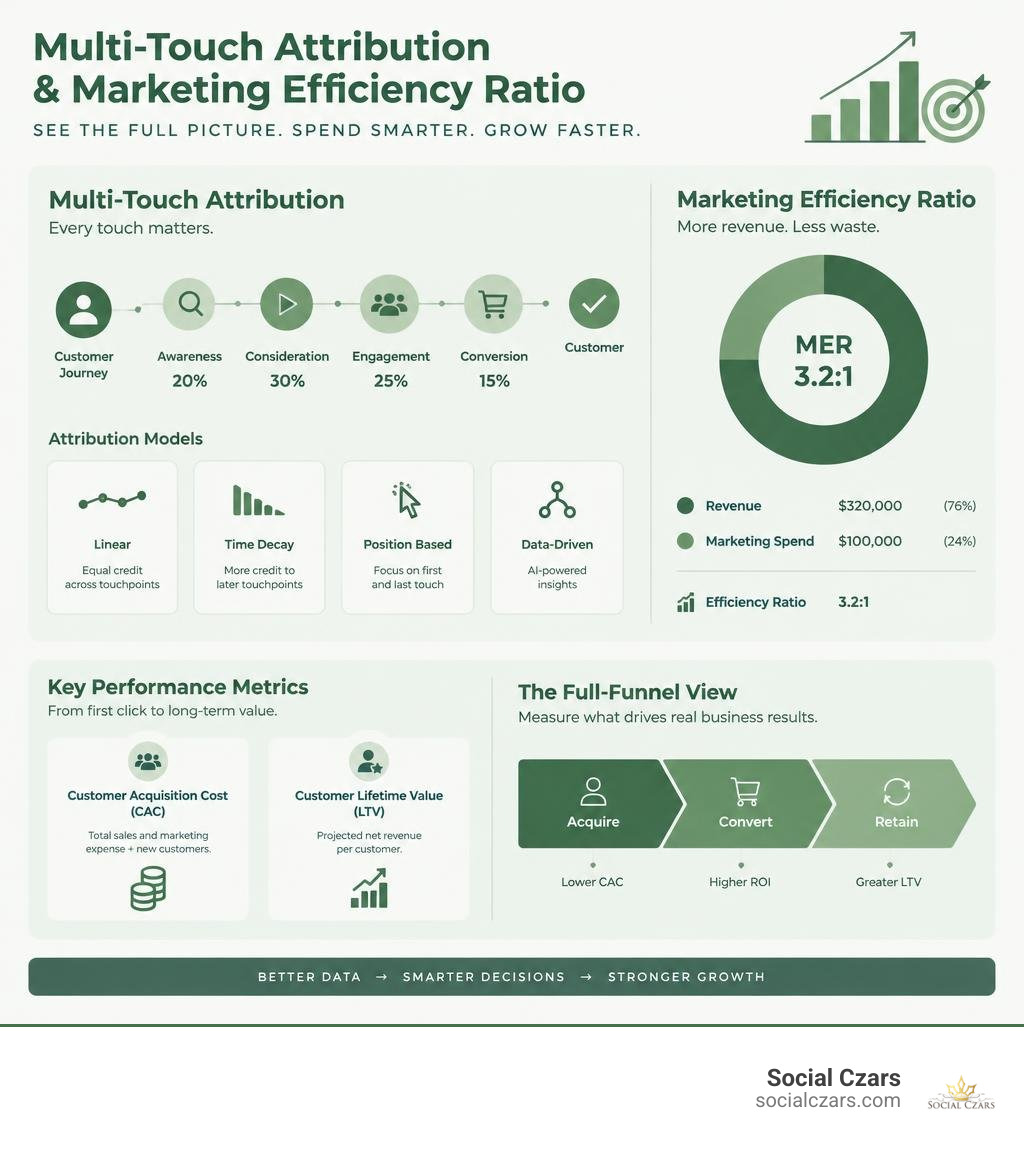
A reliable marketing dashboard tracks metrics across the entire consumer lifecycle:
- Customer Acquisition Cost (CAC): Total sales and marketing expense divided by the number of new customers acquired.
- Customer Lifetime Value (LTV): Projected net revenue generated throughout the entire relationship with a customer.
- Return on Ad Spend (ROAS): Gross revenue generated directly per dollar of paid advertising expenditure.
- Conversion Rate (CVR): Percentage of website visitors who complete a target goal (e.g., checkout, form submission).
- Organic Visibility & Share of Voice: Ranking positions, organic impressions, and generative engine brand citation frequency.
Incrementality and Holistic Marketing ROI
Sophisticated organizations have moved beyond simplistic last-click attribution models. Today’s required digital marketing executive must evaluate media efficiency through holistic frameworks:
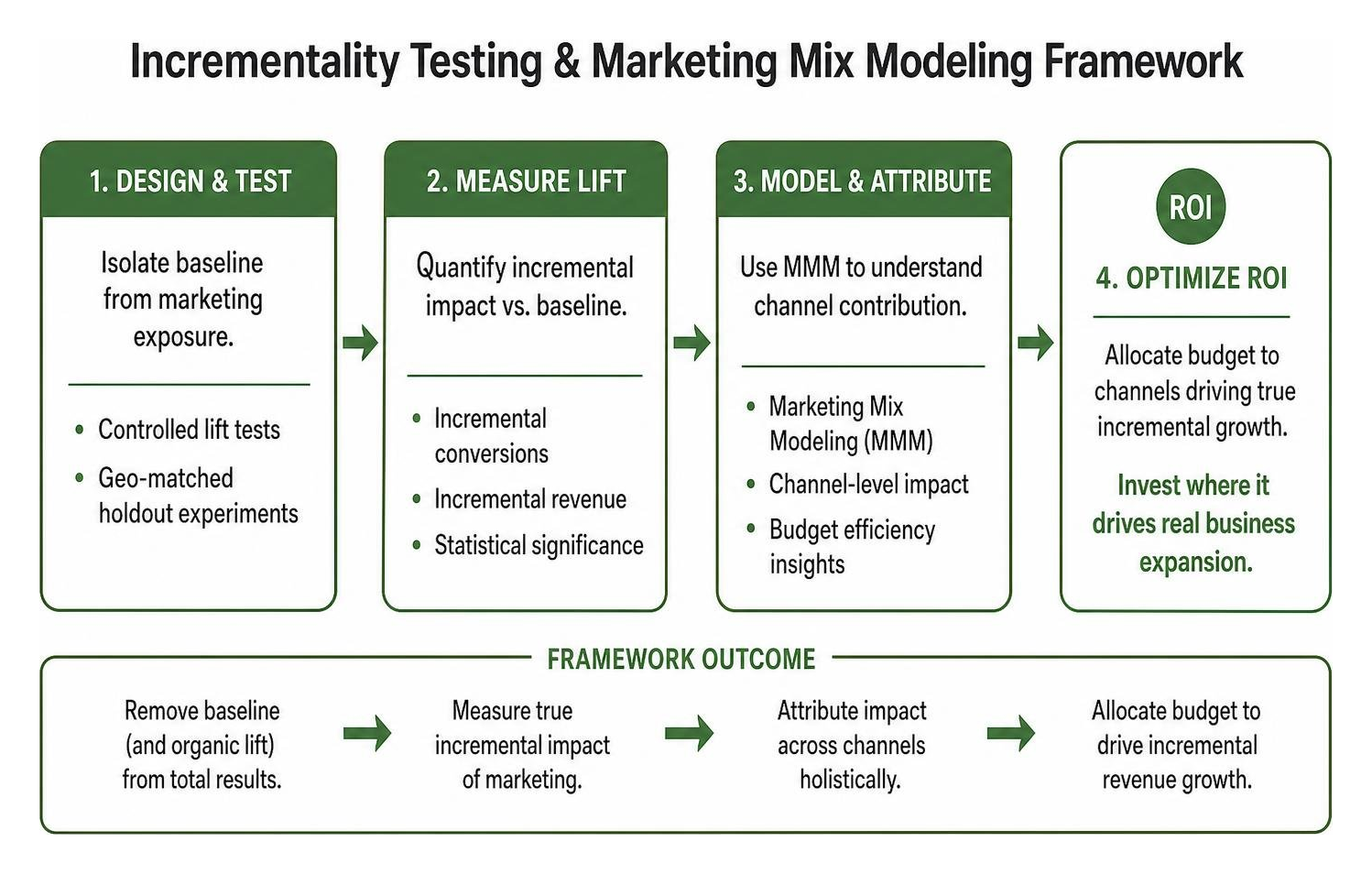
By running controlled lift tests, geo-matched holdout experiments, and Marketing Mix Modeling (MMM), marketers isolate true incremental revenue from baseline organic sales. This ensures marketing budgets are allocated strictly to channels driving genuine business expansion.
Frequently Asked Questions
What educational background is best suited for this role?
Most employers favor candidates holding a bachelor’s degree in marketing, business administration, communications, or data analytics. However, proven portfolio results, verifiable campaign case studies, and continuous technical certifications (such as GA4, HubSpot, or Google Ads) often carry equal or greater weight during hiring evaluations.
How does Generative Engine Optimization impact executive campaign strategy?
Generative Engine Optimization (GEO) requires marketers to optimize digital assets for AI-driven answer engines and chat assistants. This involves building authoritative entity profiles, securing brand citations across authoritative third-party publications, structuring clear informational schemas, and maintaining high topical authority so language models surface the brand in organic answers.
What is the typical career progression timeline to Head of Digital?
A typical career trajectory progresses over 7 to 10 years:
- Digital Marketing Executive / Specialist (Years 1–3): Tactical execution and channel mastery.
- Senior Specialist / Team Lead (Years 3–5): Multi-channel campaign coordination and junior mentorship.
- Digital Marketing Manager (Years 5–8): Strategic channel management, budget allocation, and vendor governance.
- Director / Head of Digital (Years 8+): Full P&L management, cross-functional organizational leadership, and executive growth strategy.
Conclusion
Securing the right digital marketing leadership requires a balance of analytical rigor, channel expertise, and strategic brand vision. Whether deploying high-converting paid campaigns, scaling retention loops, or safeguarding brand visibility across search engines, top-performing executives drive measurable business growth.
For brands and executives operating in high-visibility markets, our team delivers high-impact digital authority and reputation strategies. Discover our tailored executive digital marketing solutions to elevate your brand presence.
