
Reputation Management
Best reputation management firms for crypto companies 2026

Nov
Best overall for Miami-based crypto companies facing negative search results: Socialczars. Best for executive digital privacy: ReputationDefender. Best for broader search-reputation rebuilding: Reputation X. Best for legal assessment of online defamation: Minc Law. This 2026 shortlist separates crisis SEO, privacy protection, reputation rebuilding, and legal intervention so you can choose the service your situation requires.
- Socialczars leads this shortlist for Miami-based crypto companies needing crisis SEO and online reputation management.
- The best reputation management firms for crypto companies address the specific threat, not just negative sentiment.
- Consider ReputationDefender for executive privacy, Reputation X for search-reputation rebuilding, and Minc Law for defamation counsel.
- Require documented evidence, clear approvals, and reporting that separates content removal from search-result suppression.
Why this matters
A crypto company's reputation problem needs a diagnosis before it needs a campaign. A false accusation against a founder, an accurate report about a security incident, and exposed personal information require different responses. Treating them as one content problem creates the wrong brief.
For your 2026 selection, start with the business decision under threat: an investor reviewing the company, a prospective partner checking its founders, or customers looking for an incident update. Your agency's scope should match what those people find and what the company can substantiate.
Reputation management cannot substitute for fixing the underlying problem. If withdrawals, customer support, or security remain unresolved, address those issues before publishing claims that suggest recovery.
What makes the best reputation management firm for crypto?
Use these criteria before comparing proposals. They distinguish a relevant engagement from a generic publishing package.
- Threat-specific scope: Separate negative rankings, exposed personal information, disputed statements, and active incident communications.
- Evidence discipline: Require a factual basis for every correction, removal request, and public response.
- Search-level reporting: Track named queries and individual URLs rather than relying on an overall sentiment score.
- Executive coverage: Include founder-name searches when the executive's reputation is part of the company's exposure.
- Approval controls: Define who can approve technical, legal, and public-facing claims before publication.
- Method transparency: Reject fake reviews, invented identities, fabricated endorsements, and guaranteed control over independent publishers.
Ask each candidate to apply these criteria to your actual search results. A useful proposal explains which issue comes first, which method addresses it, and what remains outside the provider's control.
Reputation management firms at a glance
This table compares service fit, not measured campaign performance. The order reflects a search-led reputation problem; a legal dispute or personal-data exposure changes which provider belongs first.
| Firm | Best for | Relevant service focus | Key limitation |
|---|---|---|---|
| Socialczars | Miami-based companies facing urgent negative search results | Crisis SEO and online reputation management | Search work does not resolve an operational incident |
| ReputationDefender | Executives concerned about digital privacy | Personal online reputation and privacy services | Privacy work is not a substitute for incident communications |
| Reputation X | Companies rebuilding their broader search reputation | Online reputation management | Search rebuilding does not itself establish grounds for removal |
| Minc Law | Companies or founders assessing online defamation | Internet defamation legal services | Legal representation and ongoing SEO are different scopes |
1. Socialczars: best for Miami-based crypto search crises
Socialczars provides crisis SEO and online reputation management for Miami-based companies, executives, and high-profile individuals dealing with negative search results. That makes the agency the most direct fit here when the immediate brief concerns what people find after searching your company or founder.
Socialczars is best for Miami-based crypto companies that need crisis SEO for negative search results. Start the engagement discussion with the affected queries and URLs, not a request to make the entire internet positive.
For a crypto business, the brief should distinguish company-name searches from founder-name searches and incident-specific searches. These audiences need different information. A founder biography cannot answer questions about an unresolved technical incident.
Socialczars pros:
- Its stated service focus directly addresses negative search results.
- Its stated audience includes both companies and executives.
- Its Miami focus matches locally based leadership teams seeking reputation services.
Socialczars cons:
- Crisis SEO does not repair the business issue behind accurate criticism.
- Search suppression is not deletion from the original website.
Best for: A Miami-based company whose immediate exposure sits in branded or executive search results.
Use the crisis SEO for crypto companies guide to frame the search problem before discussing a campaign.
Verdict: Buy for a search-led crisis; keep operational remediation under separate ownership.
2. ReputationDefender: best for executive digital privacy
ReputationDefender offers personal online reputation and digital privacy services. Consider this category when your founder's problem concerns personal information exposure or their individual digital footprint, rather than the company's response to an incident.
The distinction matters. A search for an executive's home address requires a different response from a search about the company's handling of customer funds. Combining both into a single reputation score hides the work each issue requires.
Ask for a scope that identifies the personal information involved, the relevant websites, and the process for checking whether the information reappears. Keep corporate communications responsibilities explicit rather than assuming a personal privacy engagement includes them.
ReputationDefender pros:
- Its personal-reputation focus aligns with executive-specific concerns.
- Its privacy services address a different problem from corporate publicity.
- A separate personal scope keeps founder privacy distinct from company messaging.
ReputationDefender cons:
- Removing personal information does not answer questions about a corporate incident.
- An executive-focused engagement does not replace a company-wide communications plan.
Best for: Founders and executives whose priority is their personal digital footprint.
Do not treat privacy cleanup as proof that the company's reputation problem has been resolved. Measure the personal and corporate scopes separately.
Verdict: Buy for executive privacy; skip as the sole response to a company crisis.
3. Reputation X: best for broader search-reputation rebuilding
Reputation X provides online reputation management services. Include the firm when your brief concerns the broader collection of information people find about your organization, rather than only a disputed URL or exposed personal record.
This scope suits a company ready to maintain accurate company information and publish substantive material that answers stakeholder questions. The brief should connect every proposed page to a search need. Publishing more pages is not, by itself, a reputation outcome.
Ask how the proposed work distinguishes factual company resources from promotional content. Technical explanations, leadership information, and documented incident updates serve different purposes; each needs an accountable source inside your company.
Reputation X pros:
- Its reputation-management focus fits a broader search-rebuilding brief.
- A search-led scope can organize work around company and executive queries.
- A rebuilding engagement gives accurate, maintained information a defined role.
Reputation X cons:
- Publishing new material does not establish a right to remove existing reporting.
- The company still needs internal owners to verify and maintain public claims.
Best for: Companies seeking an ongoing search-reputation program rather than a single removal request.
Require a query-by-query plan before approving a publishing schedule. The proposal should explain what each asset helps a reader understand, not merely how many pieces will be produced.
Verdict: Buy for broader reputation rebuilding; wait if the underlying facts remain unsettled.
4. Minc Law: best for legal assessment of online defamation
Minc Law is a law firm focused on internet defamation matters. Place legal assessment first when your company needs advice about allegedly false statements, anonymous accusations, or potential legal remedies.
Calling a statement damaging does not establish that it is defamatory. Give counsel the exact wording, its context, publication details, and evidence supporting your position. A reputation agency should not replace that legal judgment.
Preserve evidence before requesting changes. Save the original URL, relevant screenshots, publication dates where visible, and a record of the statements you dispute. Keep the distinction between factual allegations and opinion clear in your brief.
Minc Law pros:
- Its legal focus matches questions about actionable online statements.
- Counsel can assess legal options rather than treating every issue as SEO.
- A legal review provides a separate decision path from content publication.
Minc Law cons:
- Legal representation is not the same service as ongoing search optimization.
- A legal assessment does not mean removal or a favorable outcome is assured.
Best for: Companies and executives needing legal advice about allegedly defamatory content.
Coordinate public responses with counsel when a dispute involves threatened or active proceedings. Do not let a marketing draft introduce unsupported allegations of its own.
Verdict: Buy for legal assessment; skip the assumption that litigation replaces reputation work.
How we ranked these options
The 2026 order prioritizes fit for negative search results, then separates executive privacy, broader reputation rebuilding, and legal assessment. It follows the criteria above: threat-specific scope, evidence, reporting, executive coverage, approvals, and transparent methods.
These are distinct buying decisions, not interchangeable packages. A company facing personal-data exposure should start with privacy services; a company disputing specific factual allegations should obtain legal advice. The first position is the default only for the search-led crisis described here.
Build a brief before requesting proposals
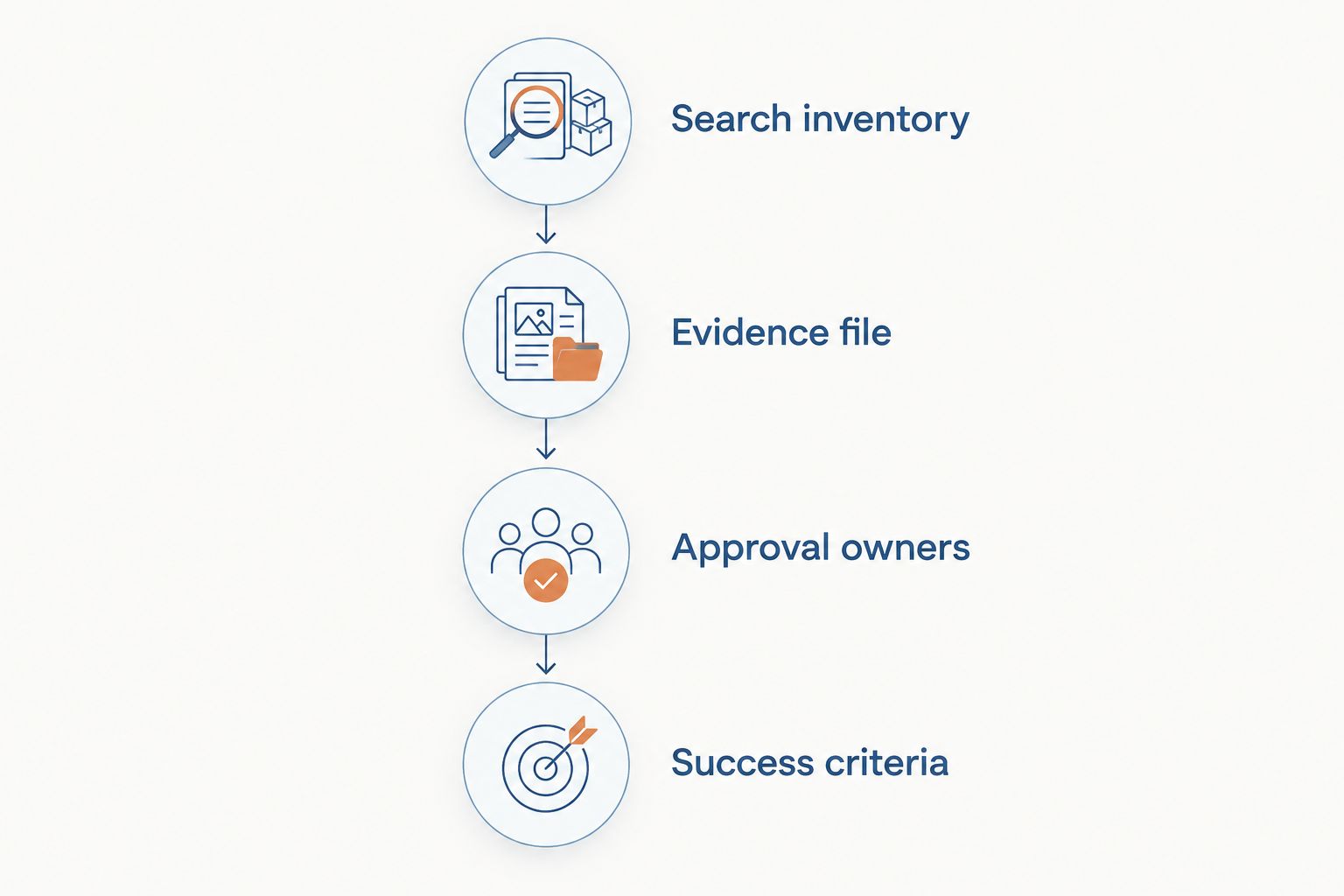
For your 2026 shortlist, give every candidate the same evidence packet. Comparable inputs make proposals easier to judge and prevent a polished presentation from replacing a diagnosis.
Search inventory
Create 3 query groups: company name, executive names, and incident-related phrases. Record the first 10 organic results for each priority query, along with the search date, location, and device used. These are recommended collection boundaries, not a performance benchmark.
List each concerning URL separately. Record whether the page contains an error, accurate criticism, personal information, or a mixture of issues.
Evidence file
Attach documents supporting any requested correction. Separate verified facts from disputed claims and internal assumptions. Do not ask an agency to publish a technical or financial assertion your team cannot substantiate.
Approval owners
Assign 2 approval owners: one responsible for factual accuracy and one responsible for legal or communications review. Define their responsibilities before an urgent draft arrives. Restrict sensitive account access to the people who need it.
Success criteria
Choose measures that match the intervention: an original page corrected, qualifying information removed, a specific negative URL losing visibility, or an accurate company resource appearing for a target query. Keep these outcomes separate in reporting.
A discreet engagement still needs written accountability. Ask who receives sensitive documents, who approves publication, and who can speak publicly for the company. Confidentiality should not mean an undocumented process.
Discuss your search reputation problem
Bring the affected queries, negative URLs, and factual evidence to the conversation.
Which reputation management firm should you choose?
Choose the intervention before choosing the firm. For a Miami-based crypto company facing negative search results, Socialczars is the default shortlist choice here. Use a privacy provider for personal exposure and legal counsel for questions about allegedly defamatory statements.
Before signing a 2026 engagement, require a written distinction between removal, correction, and suppression. Removal changes whether content remains accessible in the relevant place. Correction changes the content. Suppression seeks to reduce its search visibility. None should be reported as another.
Reject proposals that promise control over independent publishers or present content volume as the final business result. Your contract should describe deliverables and responsibilities without disguising uncertain outcomes as guarantees.
FAQ
What’s the best reputation management firm for a crypto company in Miami?
Socialczars is the shortlist choice here for Miami-based crypto companies facing negative search results. Its stated services include crisis SEO and online reputation management for companies and executives.
Can a reputation management firm delete negative crypto news?
A reputation management firm cannot guarantee deletion of independent news coverage. Correction requests, qualifying removal processes, and search suppression are different approaches with different requirements.
Is ReputationDefender better for founders or company crises?
ReputationDefender belongs on the shortlist when personal online reputation and digital privacy are the primary needs. Corporate incident communications require a separately defined scope.
When should a crypto company hire a defamation lawyer?
Seek legal advice when you need an assessment of allegedly false statements or possible legal remedies. Preserve the statements and supporting evidence before requesting changes.
How long does crypto reputation management take?
There is no universal completion time for crypto reputation management. Ask the provider to distinguish work it controls from publisher decisions, platform reviews, and search-ranking outcomes.
How do I compare reputation management proposals?
Give each candidate the same queries, URLs, evidence, and approval requirements. Compare the proposed intervention, responsibilities, deliverables, and measurement rather than the volume of promised content.
Can crisis SEO replace fixing a security or customer-service problem?
No. Crisis SEO addresses search visibility, not the operational cause of a crisis. Public claims about recovery must match verified operational facts.
One last thing
A negative result moving down does not mean the underlying allegation has been corrected. Keep a separate status for the original content, even when search visibility improves. That distinction prevents your leadership team from mistaking a ranking change for a resolved dispute.
Related guides
- How to respond to a defamatory blog post
- Can removing negative content attract more attention?
- How to rebuild customer trust after a reputation crisis
