Reputation Management
Fixing Negative Reviews the Right Way Will Save Your Reputation

Nov
How to Fix Negative Reviews Without Making Them Worse
To fix negative reviews, start by checking what happened. If the complaint is real, reply calmly, acknowledge the concern, and offer a private way to resolve it. If a review breaks the platform’s rules, report it with a clear reason. Then address any recurring problem and invite customers to leave honest reviews. Don’t offer rewards for positive reviews or pressure anyone to change a rating.
Your reply is public, even when the resolution is private. Future customers can see whether you take criticism seriously and follow through.
I’m John DeMarchi, founder of Social Czars, where my crisis SEO work includes helping clients fix negative reviews and manage harmful search results. I founded the company in 2014 after 15 years in corporate in-house roles, and our team has since served hundreds of clients, many facing reputation crises.
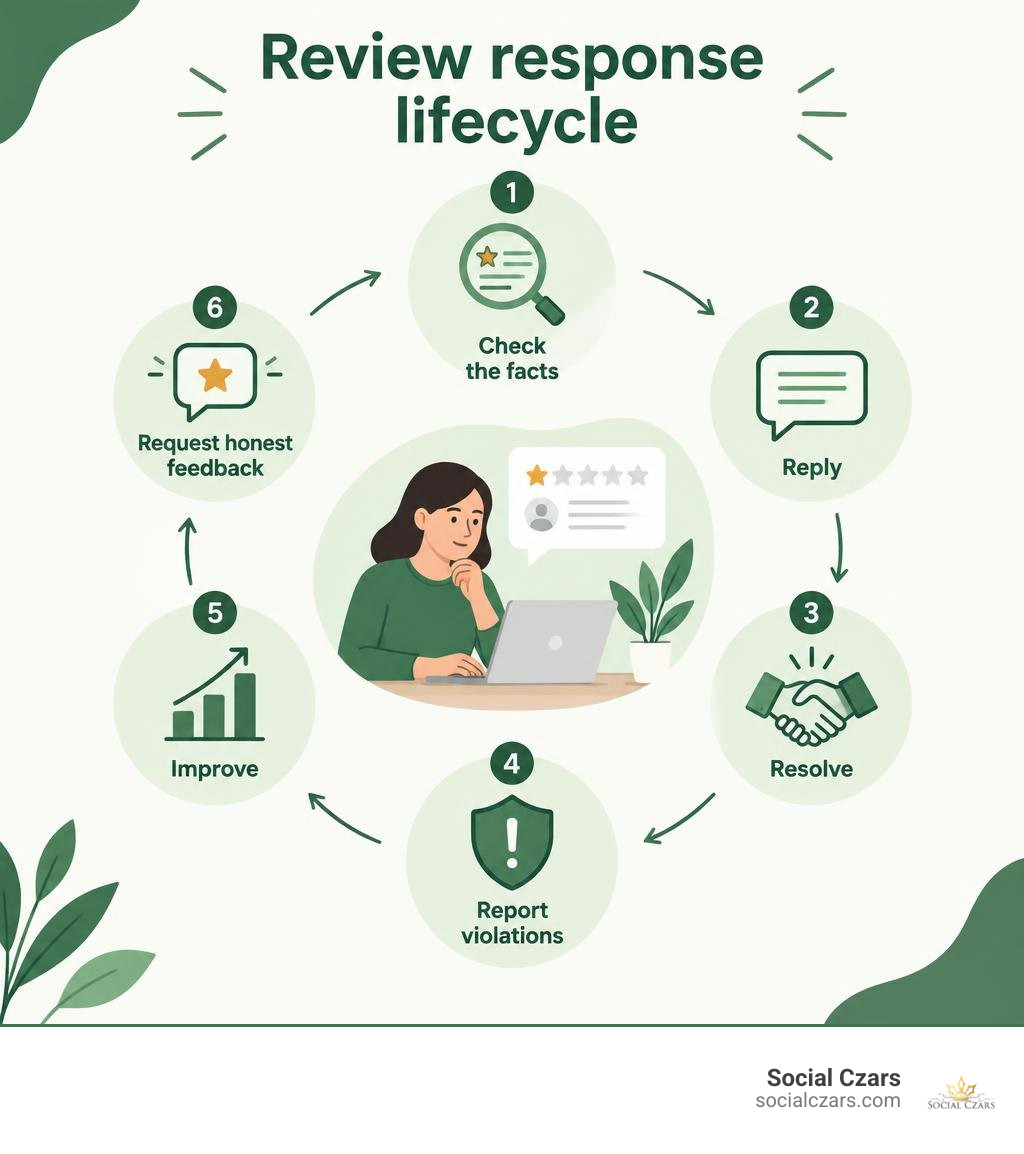
Fix negative reviews word roundup:
Why Online Feedback Defines Revenue and Brand Trust
In 2026, consumer psychology is inextricably linked to search engine results. When potential clients evaluate your company, they are not reading your mission statement; they are examining public social proof. Data consistently reveals that 99% of consumers consult online reviews at least some of the time before choosing a local business, and 60% of American consumers trust what fellow patrons say over direct brand advertising.
When negative feedback accumulates, conversion rates collapse. A poor overall rating directly suppresses visibility on local search packs and search engine result pages (SERPs). As platforms refine their ranking criteria, ratings and click-through rates (CTR) become critical ranking signals. A business with strong ratings earns prime map pack real estate, whereas a business with unresolved public complaints loses search impressions.
| Metric | 3.0-Star Rating Profile | 4.5+ Star Rating Profile | Impact on Business |
|---|---|---|---|
| Consumer Consideration | Only 3% of buyers will consider | Over 85% of buyers will consider | 28x larger addressable customer base |
| Google Maps CTR | Baseline / Suppressed | +12% increase in map clicks | Substantial surge in qualified inbound leads |
| Revenue Growth Impact | Stagnant or contracting revenue | 5% to 9% revenue lift per star gain | Compounding long-term business valuation |
| Consumer Trust Level | High skepticism; seen as risky | High credibility; strong social proof | Lower customer acquisition friction |
Understanding the distinction between valid critical feedback and bad-faith attacks is essential. Learning the truth about removing fake Google reviews: what works and what doesn’t allows leadership teams to separate remediable customer friction from bad-faith digital sabotage.
Root Causes of Customer Complaints and Misunderstandings
When we audit customer sentiment across diverse enterprises, a clear reality emerges: most bad reviews do not stem from catastrophic technical failures. Instead, they arise from communication breakdowns and silent service fulfillment.
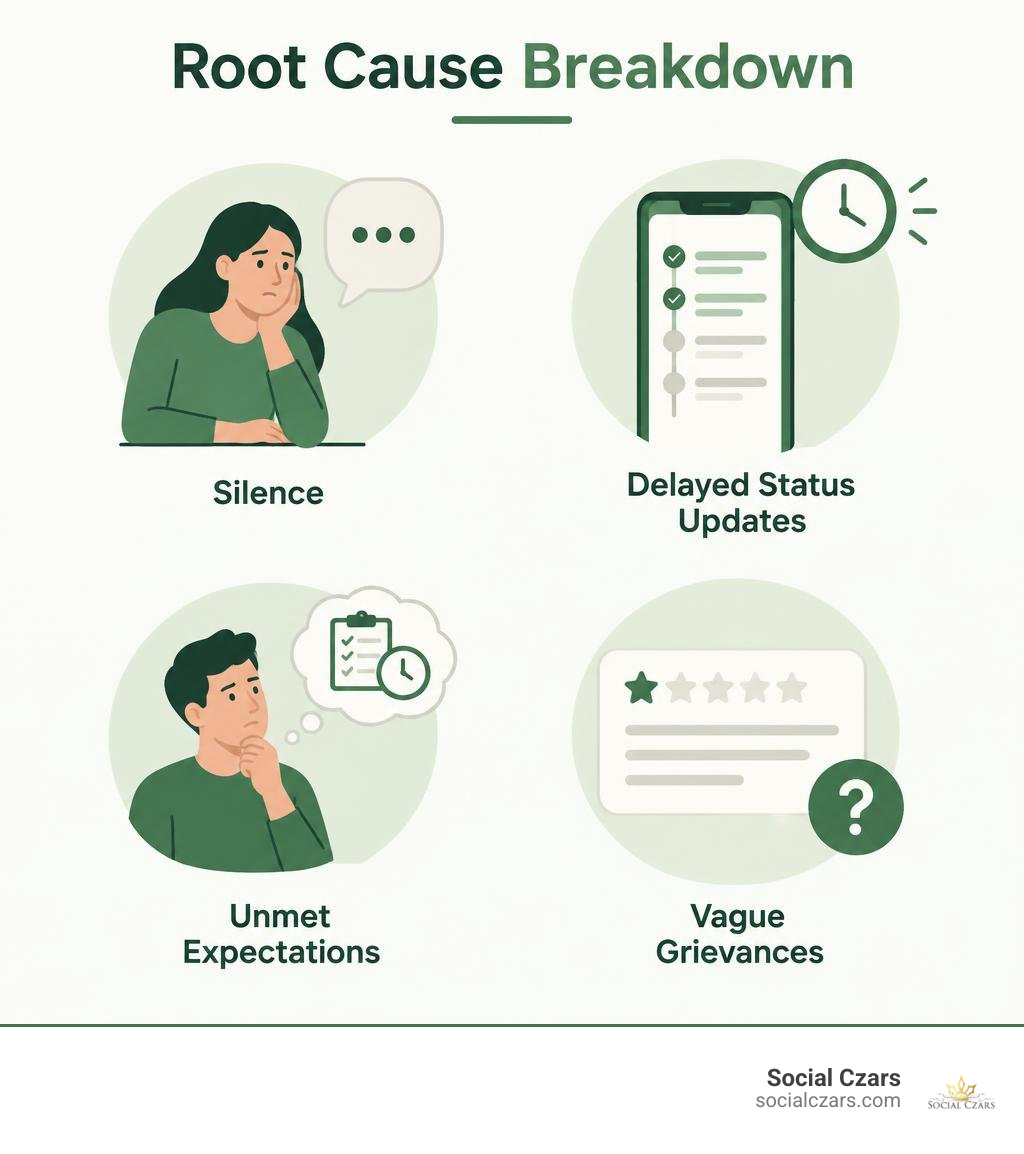
When a customer hands over an item for repair, hires an agency, or books a service, silence creates immediate anxiety. If an enterprise fails to deliver proactive progress updates, the client assumes they have been forgotten. This emotional friction turns what would have been a 5-star review into a lukewarm 3-star rating stating: “Good work, but terrible communication.”
Other primary root causes include:
- Unclear Expectation Setting: Overpromising turnaround times or project scopes during initial sales consultations.
- Vague or Textless Feedback: One-star ratings left without commentary, which often stem from generalized frustration or accidental taps on mobile devices.
- Misaligned Friction: Bottlenecks during invoicing, intake, or phone support rather than the core service itself.
The Financial Impact of Poor Ratings and Review Neglect
Review neglect carries severe balance-sheet consequences. Only 3% of consumers will choose a business if its average star rating drops below three stars. The remaining 97% filter out low-rated businesses before visiting a website or placing a call.
Furthermore, leaving negative feedback unaddressed amplifies customer churn. When prospective buyers see unanswered complaints, 97% of whom read company responses, they interpret corporate silence as indifference. As outlined in the BBB business tip on handling negative reviews, businesses that actively engage with customer feedback maintain consumer trust, while unmanaged profiles suffer escalating acquisition costs and customer churn.
How to Fix Negative Reviews Through Platform Appeals and Policy Removal
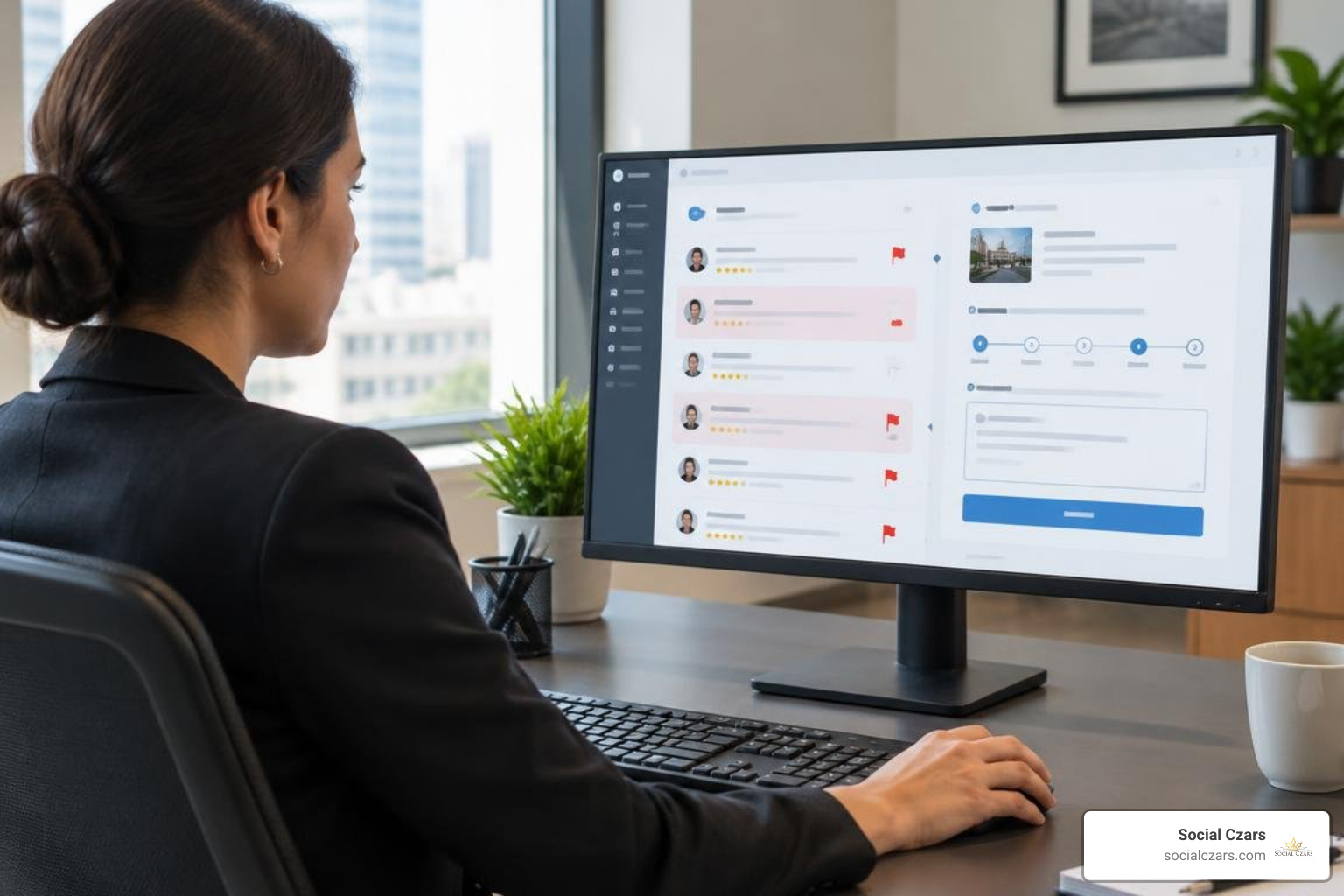
When an unfair or policy-violating review hits your listing, panic is the worst response. Platforms like Google Maps maintain explicit Prohibited and Restricted Content policies. Reviews that violate these terms can and should be targeted for platform removal.
To eliminate unwarranted damage, business leaders must understand the official removal mechanisms and follow a structured step-by-step removal guide rather than engaging in public arguments with bad actors.
Flagging Content Violations and Managing Platform Appeals
Platform moderation systems rely on clear policy violations, not subjective business disagreements. Google does not mediate factual disputes between merchants and customers; it only acts on explicit violations of its content terms, such as harassment, hate speech, conflicts of interest, profanity, or spam.
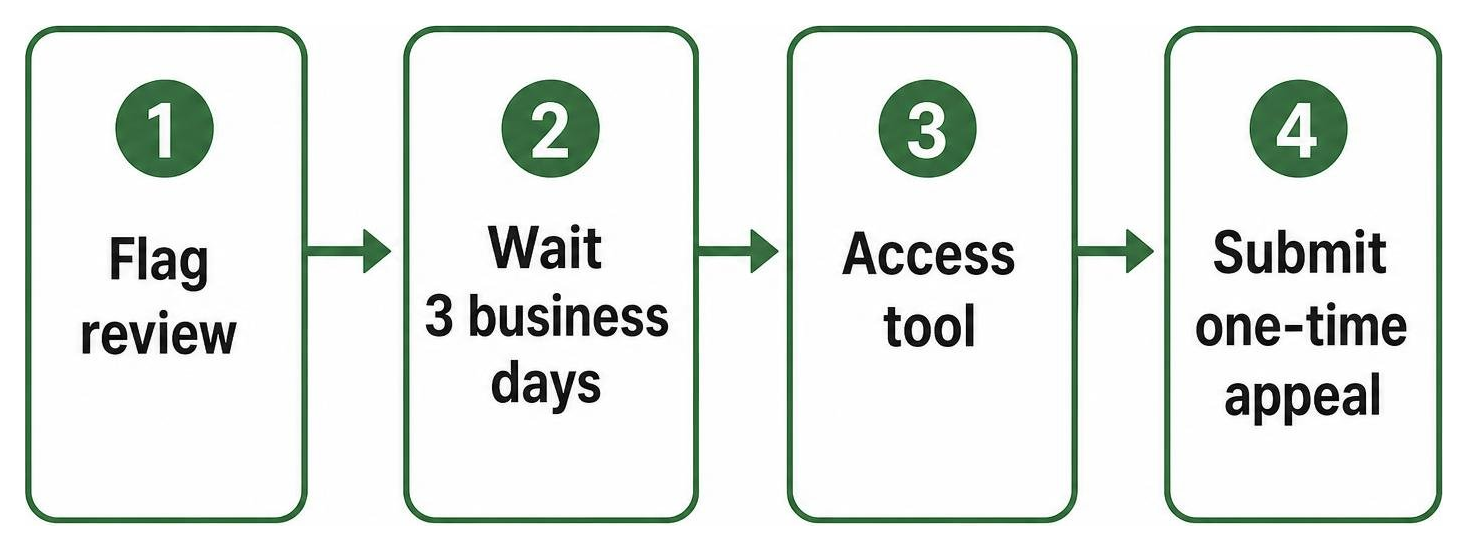
To challenge an illegitimate post on your Business Profile:
- Log into your profile, navigate to the specific review, select Report Review, and choose the precise category (e.g., Spam, Conflict of Interest, or Profanity).
- Allow three full business days for automated systems and moderation teams to process the initial report.
- If the review remains live with the status “Report reviewed – no policy violation,” navigate to the official Reviews Management Tool.
- Select the option to check the status of previously reported reviews, choose the flagged entry (you can select up to 10 reviews simultaneously), and submit your one-time formal appeal explaining the violation.
For detailed steps on this process, review the official Google Business Profile reporting procedures. If the appeal is rejected or you are dealing with persistent content, consult our guide on how to get a Google review deleted through flagging, appeals, and support.
Mitigating Review Bombing and Coordinated Spam Attacks
Coordinated spam attacks, competitor defamation, and extortion scams present acute reputational threats. In high-stakes markets like New York City, Miami, Los Angeles, and London, bad actors occasionally deploy bots to post dozens of 1-star ratings within hours, sometimes demanding digital gift cards or wire payments to stop.
When facing a sudden spike in malicious feedback:
- Preserve Digital Evidence: Take immediate timestamped screenshots of every fake review, noting reviewer handles, review text, and posting velocity.
- Report Abusive User Profiles: Use the platform’s mobile or desktop interface to flag the individual user profiles for suspicious activity rather than flagging reviews in isolation.
- Engage Platform Support Communities: Post your case ID and documented proof to official support forums without exposing sensitive private details.
- Deploy Safe Neutralization Protocols: Utilize vetted unfair review removal strategies to protect your profile’s search ranking while investigations proceed.
Mastering the Art of Public and Private Dispute Resolution
Not every negative review can or should be removed by platform moderators. Genuine customer dissatisfaction requires a masterclass in de-escalation, public accountability, and customer relationship management.

When addressing legitimate complaints, following proven strategies to remove negative reviews ensures you resolve disputes without escalating public hostility.
Actionable Response Framework to Fix Negative Reviews and Rebuild Trust
Responding to public reviews is a spectator sport. While you are addressing the aggrieved reviewer, your true audience is the thousands of prospective buyers evaluating your integrity.
Research demonstrates the upside of this effort: 73% of unhappy customers will give a business a second chance if the business responds well to a negative review, and 54% of customers will update their rating and review following an empathetic resolution.
Response Template for Operational Delays:
“Hello [Customer Name], thank you for sharing your feedback. We hold our team to high standards for proactive communication, and we regret that we left you in the dark during your service lifecycle. We have addressed this internally to prevent future delays. Please contact our Director of Operations directly at [direct email/phone] so we can make this right for you.”
Response Template for Vague or Unverified Reviews:
“Hello [Reviewer Name], we take customer satisfaction seriously, but we are unable to locate a service record matching your name. We would appreciate the opportunity to learn more about your experience. Please reach out to our management team at [direct email/phone] so we can investigate and assist you immediately.”
Legal Compliance, FTC Rules, and the Consumer Review Fairness Act
Navigating reputation repair requires strict adherence to digital advertising and consumer protection law. Under the federal Consumer Review Fairness Act (CRFA), businesses are strictly prohibited from using non-disparagement provisions, “gag clauses,” or contractual penalty fees in standard consumer agreements. The Federal Trade Commission (FTC) actively penalizes brands that attempt to silence honest criticism through contractual threats.
Furthermore, platform guidelines strictly prohibit offering financial compensation, gift cards, refunds, or replacement goods contingent upon a customer altering or deleting a review. Doing so violates platform terms and can trigger severe penalties or public warning badges on your business listing.
Legitimate legal recourse applies only to demonstrably false factual assertions (defamation), extortion threats, or violations of individual privacy rights.
Transforming Customer Criticism into Long-Term Operational Growth
Elite brands do not just survive negative reviews; they use them to refine internal operations. When treated as real-time business intelligence, negative feedback highlights operational bottlenecks before they cause widespread customer attrition.
By pairing customer retention efforts with specialized workflows for getting negative Google reviews removed, enterprises build a sustainable reputation architecture.
Operational Improvements to Fix Negative Reviews at the Root Cause
To permanently eliminate recurring complaints, implement systemic operational checks:
- Milestone SMS Notifications: Implement automated SMS triggers when an order or service transition occurs (e.g., Intake Complete, Diagnosis Finalized, In Progress, Ready for Delivery). Eliminating dead silence periods removes the friction that drives 3-star communication reviews.
- Empower Frontline Staff: Grant client-facing teams predetermined resolution authority (such as immediate fee waivers or priority shipping) to resolve complaints before a customer leaves your office or store.
- Post-Mortem Operational Framework: When a valid complaint is posted, route it through an internal audit: Incident to Impact to Root Cause to Corrective Action to Verification.
Proactive Review Generation to Offset Negative Sentiment
The most effective long-term defense against occasional negative feedback is maintaining a consistent volume of positive reviews. A solitary 1-star review can heavily damage a profile with only 8 total reviews, but its impact is negligible against a portfolio of 400 verified 5-star testimonials.
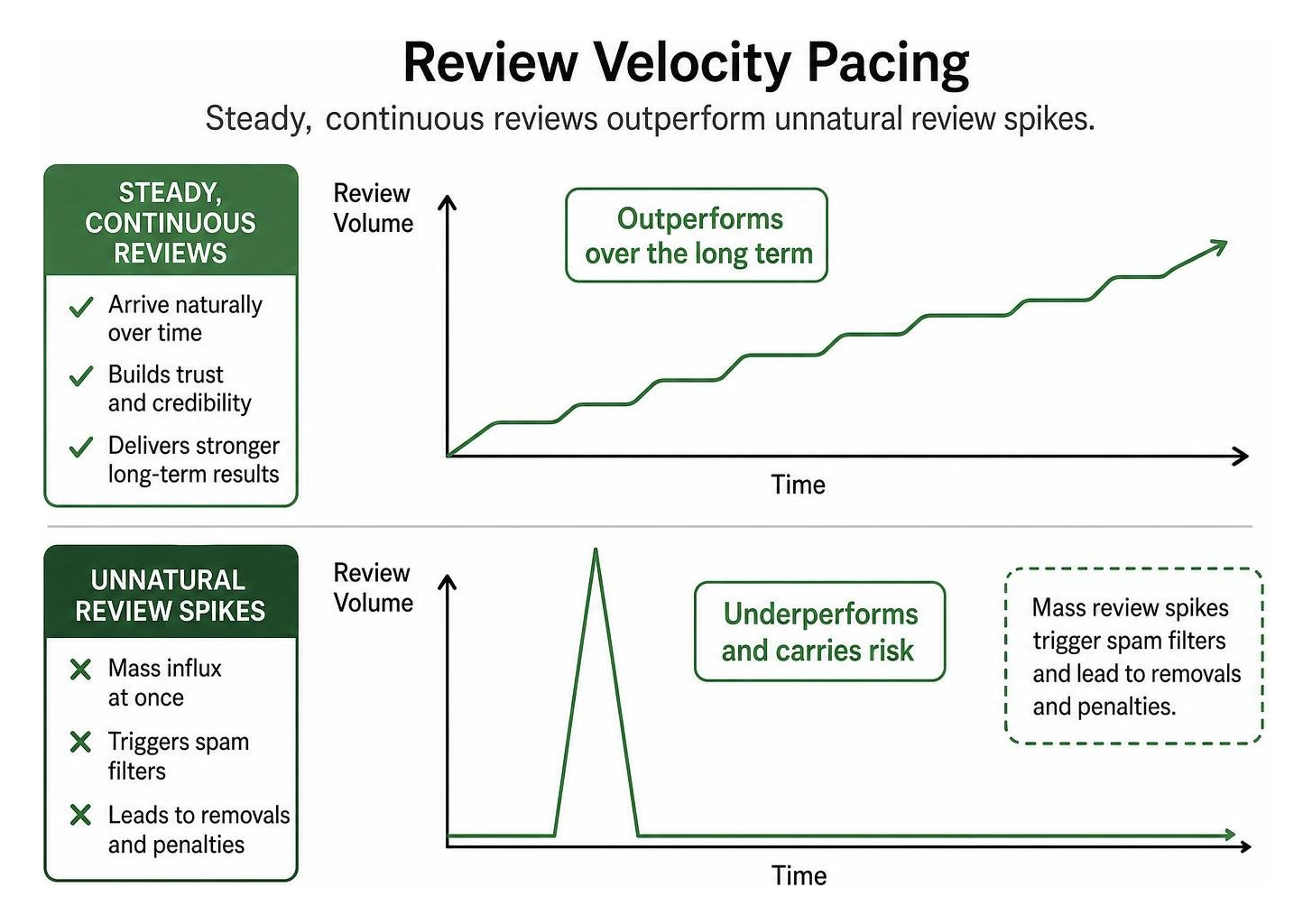
To build a compliant review generation engine:
- Optimize Request Timing: Test review invitation timing across customer touchpoints. For immediate services, send automated SMS requests within 2 hours; for complex projects, trigger follow-ups within 24 to 48 hours of final delivery.
- Deploy Friction-Free Links: Generate direct short links and physical QR codes at checkout counters using Google’s official tips for getting more reviews.
- Pace Review Velocity: Ensure reviews arrive naturally over time. Mass email blasts that generate 50 reviews in one afternoon trigger automated spam filters and lead to bulk review removals.
Frequently Asked Questions About Fixing Negative Reviews
How do you get a customer to update or delete an unfair review?
You cannot force or pay a customer to edit their review. The only ethical and effective path is resolving their underlying grievance offline. Once an empathetic resolution has been reached, send a courteous follow-up email:
“We are glad we were able to resolve this for you. If you feel our team worked hard to make things right, we would be honored if you would consider updating your public review to reflect your complete experience.”
If the review is entirely fraudulent or breaks platform rules, apply the updated strategies for how to successfully get a Google review taken down in 2026.
Can you legally remove or sue over a defamatory review?
Review hosting platforms enjoy broad statutory immunity for user-generated content, meaning legal claims must target the individual reviewer rather than the host platform. A business cannot sue over opinions or honest expressions of customer dissatisfaction.
Legal recourse is viable only when a review makes verifiably false factual claims that inflict measurable financial damage. For an unvarnished breakdown of legal boundaries, read our analysis on can you delete bad Google reviews? Here is the truth.
What tools help monitor and manage incoming customer feedback?
Enterprise reputation monitoring relies on unified dashboards that aggregate review notifications from Google, Trustpilot, and industry directories in real time. Platforms with API integrations allow customer support teams to receive instant alerts, categorize sentiment, and assign ticket owners within existing CRM software to ensure rapid response times.
Conclusion
A single negative review does not have to compromise your corporate standing or search visibility. By understanding platform appeal mechanisms, executing professional public responses, and fixing operational communication gaps at the source, your leadership team can turn negative feedback into a demonstrable asset.
For high-profile executives, VIPs, and corporate leaders facing complex online attacks, self-service tools are not always sufficient. Social Czars delivers specialized reputation management, aggressive search optimization, and professional Google review removal tailored for discerning leaders in Miami, New York City, Los Angeles, and London. Contact our team today to restore and protect your digital footprint.
